
 Mistakes when buying a used car in Germany – expert insights
In a nutshell: cross-check documents/TÜV reports, compare wear with the displayed mileage, read control-unit data (engine ECU/ABS/gearbox/key), look at engine hours and use VIN reports as a supporting tool – not as your only source.
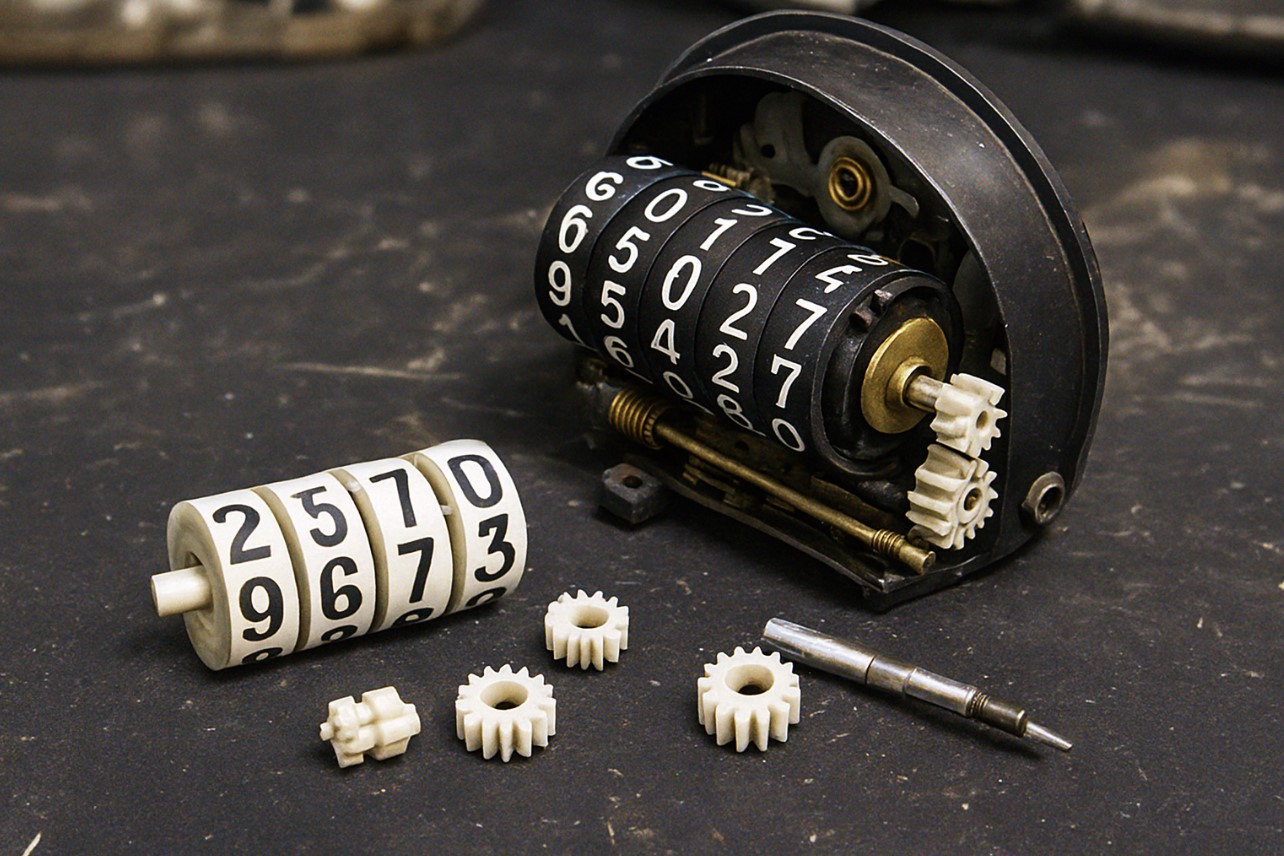
Real mileage is one of the key parameters when you buy a used car. The condition of the engine, transmission and many components directly depends on how many kilometres the car has actually covered. Unfortunately, odometer tampering is still widespread. In Germany, manipulating mileage is a criminal offence (punishable by up to two years in prison), yet many sellers still do it. Various estimates suggest that up to one third of used cars are sold with manipulated mileage. ADAC has calculated that this kind of fraud allows sellers to inflate the price by an average of around €3,000; the total damage to buyers in Germany runs into billions per year. Unscrupulous traders “rejuvenate” the odometer to make the car look more attractive and fetch a higher price. So how can you recognise rolled-back mileage before you buy? Let’s look at the main signs and testing methods used by experts.
Why mileage is rolled back – and how often it happens
The motivation is simple: lower mileage = higher price. The difference in value between a car with 150,000 km and an identical one showing 80,000 km can be thousands of euro. That is exactly what fraudsters exploit. On top of that, low mileage makes the car psychologically easier to sell – many private buyers are almost obsessed with the number on the display.
Mileage is often rolled back shortly before the end of a lease or car-sharing contract to avoid paying penalties for exceeding the agreed kilometre limit. In other cases, odometers are “rejuvenated” to hide hard use – for example, when the vehicle was used as a taxi, delivery van or fleet car. The aim is always financial.
Despite the criminal ban, mileage fraud remains common. Around 7 million used cars change hands in Germany every year, and police and motoring clubs suspect that every third car has had its mileage manipulated. There is effectively a “tachometer mafia” – where there is demand, there is supply. Manufacturers are legally required to protect modern odometers against easy manipulation, but in practice criminals keep finding loopholes. ADAC’s spot checks show that odometers can still be manipulated without excessive effort.
Typical signs of rolled-back mileage
How can you tell if the mileage shown on a car you like is plausible? Experts recommend paying attention to even small inconsistencies:
- ✔️ Problems with documentation. Carefully study the service book and TÜV (HU) reports. A genuine service book should have stamped entries with dates and mileages. If there is no book at all or it is largely empty, that is suspicious. TÜV reports (issued every two years) also show mileage – ask the seller for older HU/AU reports and compare the figures with the current odometer reading. Normally, mileage should increase between inspections (for example, +20–30,000 km over two years), not decrease. If there are no documents at all, the risk is high. Lack of history often goes hand in hand with tampering.
- ✔️ Interior wear doesn’t match the numbers. The cabin is a very good lie detector. Look at the steering wheel, gear knob, pedals and seat upholstery. The average car in Germany covers roughly 12–15,000 km per year, and the level of wear should roughly match. If the odometer shows 50,000 km but the steering wheel is heavily polished, the seat bolster is sagging and shiny, the gear knob leather is worn through and the pedal rubbers are almost smooth, the real mileage is probably much higher. The opposite situation can also be suspicious: a very fresh-looking interior in a clearly older car may indicate that visible parts (steering wheel, seat covers, pedal rubbers) were replaced shortly before sale to hide wear. Professionals also pay attention to seatbelt behaviour – on high-mileage cars they often retract poorly and feel tired.
- ✔️ New parts on an old car. Look for combinations that don’t make sense. Brand-new brake discs and dampers on a car that allegedly has only 60,000 km may be unusual (original parts normally last longer). A completely new instrument cluster on an older car is an even stronger red flag. Under the bonnet you often find a sticker from the last oil change with date and mileage – compare that with the odometer reading. If the sticker shows 140,000 km last year and the car is now being sold with 100,000 km on the clock, you know what happened.
- ✔️ Tyres and other indirect clues. The condition of tyres, brake pads and even the battery should also roughly match the claimed mileage. A factory set of tyres usually lasts around 40–50,000 km. If the odometer shows 30,000 km but the tyres are almost bald (and it’s not a sports car driven only on track), that raises questions. Strongly yellowed or cloudy headlights and a bonnet covered in stone chips are typical for high-mileage motorway cars (150,000 km and more). All these small details together build the bigger picture.
- ✔️ Visible traces of tampering. Inspect the instrument cluster and surrounding panels for signs of removal. Damaged seals or clips, scratch marks on screws or a cluster that clearly doesn’t look original to the car are all potential signs that the odometer was removed and manipulated.
Computer-based mileage checks
Modern cars store their true story in several places. Even if the odometer shows “nice” numbers, the electronics often tell a different tale. Mileage data is duplicated in multiple control units. In addition to direct mileage figures, experts also use engine hours: if you know the typical average speed (around 30 km/h for mixed use), you can estimate whether mileage and hours fit together. If the odometer shows 50,000 km and the engine has run roughly 2,000 hours (which corresponds to around 60,000 km), that is plausible. But if engine hours suggest 120,000 km while the odometer shows 50,000, something is clearly wrong.
In practice, mileage-related data often appears in:
- 📌 Engine ECU – the main engine control unit usually stores total mileage.
- 📌 ABS/ESP unit – brake systems log distance travelled for internal calculations.
- 📌 Automatic gearbox – many transmissions record their own mileage or operating hours.
- 📌 Key – on some brands (for example BMW), the key chip stores the last mileage.
- 📌 Other modules – lighting, climate systems, hybrid battery management and similar modules may indirectly reveal usage patterns via cycle counts and operating hours.
A professional with a high-quality diagnostic tool connects to the OBD port and reads out these values. If there is a significant mismatch between the odometer and, say, the mileage saved in the engine ECU or ABS, you can be fairly confident that tampering has taken place. Basic consumer OBD dongles usually cannot access the deeper control units or engine hours, which is why proper equipment and experience are crucial.
On top of this, you should cross-check external data sources. Services like carVertical highlight suspicious patterns if they find drops in mileage in their records. For example, if a 2022 TÜV report shows 180,000 km and today the car is advertised with 120,000 km, that is hard proof of manipulation. However, the absence of any warning in a VIN report does not guarantee the mileage is genuine: not all events are recorded in public or commercial databases.
What to do if you suspect mileage fraud
- 🕑 Ask direct questions. If you get the feeling that the mileage is not genuine, don’t be shy about asking the seller directly. An honest owner with genuine low mileage will usually be able to back it up with paperwork (service invoices, TÜV reports) and a plausible story (for example, the car belonged to an elderly person and stood in a garage for years). A dishonest trader is more likely to dodge the question or say “it was already like this when I bought it”. Remember: hiding real mileage is fraud, and you are under no obligation to go ahead with the purchase.
- 🕑 Bring in an independent expert. If your doubts are serious, the best step is to call in an independent expert for a thorough inspection. A specialist will read the control units, assess mechanical and interior wear and look for hidden defects. Based on their report you can either negotiate a substantial discount or simply walk away from a problematic car.
- 🕑 Negotiate or walk away. If mileage fraud is discovered before you pay, you can simply refuse to buy – or use it as a strong argument to leave. There are always other cars on the market. Don’t reward questionable practices with your money.
- 🕑 Was tampering discovered after the purchase? In Germany, proven mileage fraud is a serious reason to unwind the deal and demand that the seller take the car back and refund you, because you were given false information about a key characteristic of the vehicle. You will need evidence: an expert report, diagnostic printouts, old service/TÜV records, data from carVertical/Carfax (especially for imports) and similar. In difficult cases, it may end up in court. It often helps to inform the police or relevant organisations – the threat of criminal proceedings frequently makes dishonest sellers much more willing to settle amicably, either by refunding part of the price or by taking the car back.
Official mileage check by Sicher-Check
We carry out a full computer diagnostics with access to the “deep” control units, compare engine hours and history, perform a mobile on-site inspection from bodywork to test drive and provide an official written report with a clear conclusion: “mileage likely genuine / likely manipulated”.
If you don’t have the tools or experience to examine all control units yourself, involving professionals is the safest option. The specialists at Sicher-Check have extensive experience with pre-purchase inspections in Germany, and uncovering manipulated mileage is part of our daily work. We read out hidden data from all relevant modules, check for error codes, compare the car’s technical condition with its documented history and examine the vehicle inside and out.
Our car-sourcing and inspection service (Berlin and throughout Germany) helps you buy a used car without falling for “low-mileage tricks” or other nasty surprises. We check the car’s history, technical condition and legal status at every step – from first contact with the seller to signing the contract. Don’t let rolled-back mileage ruin your purchase: contact Sicher-Check. We work quickly, officially and at fair rates – and we can formally confirm or challenge the odometer reading. Buy with confidence, knowing the real mileage and condition of the car you are about to invest in.
- ⚡ Often available on the same day (Berlin / all of Germany).
- 💬 We speak Russian / German / Polish / Ukrainian – no language barrier.
- 💶 Transparent tariffs, online request via form.
Werbung / *Affiliate-Link
Links and banners marked with an asterisk (*) are affiliate links/banners. If you use such a link and subsequently request an offer, sign a contract or make a purchase, we receive a commission from the respective provider. For you, there are no disadvantages: the price and conditions remain the same.
 Car sourcing in Berlin – full pre-purchase inspection | Sicher-Check