

 Car buying in Germany: men, women and used cars
The age of the buyer strongly shapes their priorities when choosing a used car. What looks important to a 20-year-old enthusiast may be much less relevant to a driver in their fifties – and vice versa. Younger people tend to gravitate towards modern tech and bold design, more mature buyers care more about comfort and safety, while older drivers often put proven reliability above everything else.
It’s no surprise that many people under 25 stick with car-sharing and postpone buying a car of their own, while for middle-aged and older generations, owning a car is still a necessity. Across all age groups, however, the top three criteria rarely change: purchase price, technical condition and running costs. Where generations really diverge is in the details – and that’s exactly where a car buying service in Germany helps each age group find the right balance.
✔️ Younger buyers: tech, design and new brands
Let’s define “younger” roughly as up to 25–30 years old. This is the generation that grew up with smartphones and the internet. For them, a car is not just transport, but also part of their digital life, personal image and style. Looks, tech and brand matter a lot.
Analysts notice that younger car buyers are particularly sensitive to:
- modern, dynamic exterior design,
- digital instrument clusters and large infotainment screens,
- rear-view cameras, parking sensors and smartphone integration.
In surveys, multimedia systems and a reversing camera rank very high among drivers under 25 – much higher than for older generations. Design and “freshness” are almost top-priority: the car has to look modern and cool.
📜 Openness to new brands and technologies
Another typical trait of younger buyers is their willingness to try new brands. The market has seen the arrival of many Chinese and lesser-known manufacturers offering high spec for the money – and younger drivers are usually the first to test them. They want maximum features at a reasonable price: digital dashboards, driver assists, touch controls. The logo on the bonnet is part of their style, not just about “old-school reputation”.
At the same time, budgets for younger buyers are often tight, so they usually choose:
- compact city cars,
- used imports at the lower end of the price range,
- sometimes risky “looks-first” options.
Younger buyers are ready to compromise on practicality or long-term reliability if the car looks good, feels quick and has all the gadgets. They are only at the start of their driving journey and often lack a clear picture of long-term ownership costs – which means the risk of making an expensive mistake is quite high.
🚗 Example: a first car for a student
Imagine a 20-year-old student buying their first car in Germany:
- they’re drawn to a stylish hatchback or coupé that stands out in the car park,
- they want modern infotainment, CarPlay/Android Auto and a reversing camera,
- they’re willing to accept higher maintenance costs for “fun and image”,
- they may underestimate the importance of a full inspection and proper diagnostics.
Exactly this type of buyer can benefit massively from a professional car buying service in Germany: we filter out obviously risky cars, thoroughly check the short-listed ones and bring hard facts into what could otherwise be a purely emotional decision.
✔️ Middle-aged buyers: balancing price and comfort
Drivers in their 30s and 40s usually have solid driving experience and are in peak working and family life. Many have children, a demanding job and limited time. Their expectations of a car are higher: they want comfort and safety, but the numbers still have to add up.
Typical patterns in this group:
- they carefully compare brands and models, reading reviews and reliability stats,
- they look for a smart balance of price, equipment and durability,
- they think in terms of several years of ownership, not just the next few months.
📜 Family, safety and practicality
A 35-year-old parent choosing a used car in Germany will typically look at:
- interior and boot space for children, shopping and luggage,
- crash test results and active/passive safety systems,
- ease of installing child seats, ISOFIX points and door opening angles,
- known issues and real-world reliability of the model.
Middle-aged buyers are generally open to new technology, but tend to be more cautious about completely new or unknown brands. They might consider a Chinese or niche brand, but only after checking reliability and the service network. Common choices here are compact SUVs, estates and practical saloons.
📜 Comfort and cost of ownership
Comfort in daily use becomes really important:
- climate control, good sound insulation and comfortable seats,
- heated features, cruise control and logical ergonomics,
- an engine that is economical but powerful enough, with sensible taxes and insurance.
People in their 30s and 40s are very aware of the total cost of ownership. They care about service intervals, typical repair costs, insurance classes and fuel consumption. In the end, many opt for “sensible” models from established brands where they know roughly what to expect.
🚗 Example: a family car for a couple in their 40s
A couple around 40, looking for a car for both daily life and holidays, will likely:
- look at SUVs or estates with strong safety ratings,
- pay close attention to real fuel consumption and reliability rankings,
- lean towards mainstream brands such as Toyota, Škoda, VW, Hyundai, etc.,
- aim for the “sweet spot” of necessary options without paying for gimmicks.
This is basically the classic sweet-spot use case for a car buying service: maximum value and minimal surprises.
✔️ Older drivers: reliability and simplicity
For “older buyers” we can roughly think of 50+ and especially 60+. These are motorists with huge driving experience who remember a time when having a car was a privilege, not a given. Their approach is more conservative and strongly based on what has worked well for them in the past.
The main priorities for this age group:
- reliability and long-term durability,
- simple, proven technology and straightforward maintenance,
- economical fuel consumption,
- easy access to parts and workshops.
Older buyers tend to trust brands and models they already know. A five-to-ten-year-old car from a well-established Japanese, European or Korean brand often feels like the ideal compromise: technically mature, with known “quirks” and a well-developed service network.
📜 Scepticism towards “too much” electronics
Many older drivers are sceptical about excessive electronics. Given two similar cars, they often prefer the one with fewer complex systems that can fail and cost a lot to repair. They value:
- a comfortable, soft suspension,
- easy ingress/egress and good visibility,
- simple, reliable mechanical components.
Design and trendiness matter far less to them than to younger buyers.
📜 Long-term ownership and trust in personal experience
Older motorists usually buy a car to keep it for many years and dislike frequent changes. They inspect their chosen car very carefully and rely heavily on their own impressions. In surveys, a notable share of retirees say they trust their own judgement more than external advice.
This is both a strength and a risk: the experience is huge, but modern cars are significantly more complex, and without proper diagnostics it is hard even for very seasoned drivers to detect hidden electronic or structural issues.
🚗 Example: a 60-year-old driver looking for a “calm” car
A 60-year-old pensioner looking for a used car for everyday errands and trips to the countryside will likely:
- focus on familiar brands like Nissan, Škoda, VW, Toyota and so on,
- prefer a calm saloon or SUV with automatic transmission,
- care a lot about service history and the opinion of trusted mechanics,
- pay little attention to design trends, but be very picky about body and interior condition.
For clients like this, a car buying service in Germany is most valuable as an add-on: we don’t replace their experience, we support it with professional diagnostics and a legal check.
✔️ Different generations – one common goal
Generational differences in car preferences are real: younger buyers go for tech and style, middle-aged buyers want practicality and comfort, older drivers rely on tried-and-tested solutions. But ultimately everyone wants the same thing: the best car they can get for their money – honest, safe and free of constant trouble.
Regardless of age, nobody wants to:
- buy a car with a rolled-back odometer,
- end up with a “Frankenstein” rebuilt after a major accident,
- discover an expensive hidden defect a few months later,
- get entangled in legal issues due to outstanding finance or seizures.
On the used market, being able to tell a genuinely well-maintained car from a problematic one is crucial. Younger buyers can make mistakes because of inexperience; older buyers can underestimate the creativity of modern fraudsters. That’s why the basic approach should be the same for every generation: systematic, professional checks before buying.
Professional inspection – the key to saving money and stress
To avoid unpleasant surprises, every buyer – young or old – should follow a few basic rules when choosing a used car. This is the foundation of smart car buying in Germany.
🔥 1. VIN history check
The VIN is the key to a car’s past. Through specialised online services you can see, for example:
- how many owners the car has had and in which countries it was used,
- whether there have been serious accidents or insurance claims,
- whether there are liens, restrictions or theft reports,
- how the mileage has changed according to inspections and service entries.
This type of check quickly filters out cars with a criminal or very questionable history.
Werbung / *Affiliate-Link
Links and banners marked with an asterisk (*) are affiliate links/banners. If you use such a link and subsequently request an offer, sign a contract or make a purchase, we receive a commission from the respective provider. For you, there are no disadvantages: the price and conditions remain the same.
🔥 2. Technical diagnostics
You should always have the car checked by a specialist or at a workshop. A proper diagnostic typically includes:
- connecting a diagnostic scanner and reading fault codes,
- assessing the engine (compression, leaks, noises),
- checking the suspension, brakes and steering on a lift,
- evaluating the gearbox (automatic / DSG / manual) in detail.
This is where the expensive hidden issues show up – the ones sellers don’t usually mention.
🔥 3. Body and interior inspection
The body is one of the most expensive parts of a used car. It’s important to:
- check geometry, panel gaps and evenness of the paint,
- measure paint thickness to spot resprays and filler,
- identify traces of structural repairs after major accidents,
- compare the wear of the interior with the declared mileage.
🔥 4. Test drive
You’ll only really understand how a car behaves under load when you drive it. During the test drive, pay attention to:
- unusual noises and knocks,
- how the suspension and brakes feel,
- gear changes (without jerks or long delays),
- stability, steering feel and overall confidence on the road.
🔥 5. Paperwork and legal clarity
Finally, you have to make sure the car is legally clean:
- the seller is the actual owner or properly authorised,
- VIN and engine/chassis numbers match the documents,
- there are no liens, seizures or other restrictions,
- all documents are sufficient for registration in Germany or for export.
If you follow these steps, your chances of getting a genuinely good car – and avoiding unnecessary costs – increase dramatically. But not every buyer can realistically do all this alone, especially younger drivers with little experience and older clients who don’t want to deal with technical and bureaucratic hassle. That’s where a professional car buying service in Germany comes in.
How we help buyers of different ages ❓
Our company offers a complete car buying and inspection service. Regardless of age, we take care of the technical and legal side – the client makes their decision based on clear facts rather than just feelings.
For all generations we:
- analyse your needs and budget and help define realistic requirements,
- search for suitable cars across Germany (private sellers, dealers, car supermarkets),
- check history via VIN and paperwork,
- carry out a detailed visual inspection and diagnostics of selected cars,
- estimate future maintenance and repair costs,
- negotiate with the seller and support you through the deal.
For younger buyers we explain technical details in plain language and protect them from impulsive “nice-picture” choices. For middle-aged clients we help find the sweet spot between price, comfort and reliability. For older drivers we focus on proven brands, straightforward technology and predictable running costs.
In the end, every client – whether 20, 35 or 65 – doesn’t just get a “dream car on paper”, but an objectively checked vehicle that won’t turn into a surprise a few months after purchase.
Conclusion: age doesn’t replace inspection
Younger, middle-aged and older buyers look at used cars through very different lenses – and that’s perfectly normal. But the used car market itself is the same for everyone: it contains both honest, well-maintained cars and time bombs dressed up as “bargains”. At this point, age, mileage behind the wheel and the number of reviews you’ve read don’t matter as much as a systematic, professional approach.
A car buying service in Germany with proper VIN checks, diagnostics and legal due diligence gives every generation the same thing: confidence in their purchase. Less stress, fewer unpleasant surprises – and more enjoyment from a car that really fits your life.
FAQ – car buying in Germany for different age groups
Do I need a car buying service in Germany if I’m young and good with tech?
Yes. Technical knowledge helps, but it can’t replace the experience of people who inspect dozens of cars every month. A professional service adds diagnostic equipment, structured checklists and negotiating experience with sellers. That significantly reduces the risk of making an “emotional” mistake with your first car.
Is a car buying service useful for older drivers with 30+ years of experience?
Very much so. Modern cars are more complex than the ones you grew up with, and many issues hide in electronics. Our specialists use diagnostic scanners, lifts and databases to spot things that are impossible to see at a glance. Your experience is complemented by our technical expertise.
What if our family has very different opinions (partner, parents, etc.) about which car to buy?
We gather requirements from everyone involved, set priorities together and help find a compromise: safety and comfort for the family, an acceptable budget and easy everyday use. In the end you get several checked options, and it’s much easier for the family to agree on one of them.
Can I book just an inspection of a car I’ve already found online?
Yes. We can join at the stage where you already have an advert: we check the VIN, technical condition, body and paperwork and then give you an honest “buy / don’t buy” recommendation. This is particularly useful for both young and older buyers who don’t want to risk a large sum without a professional second opinion.
Related posts
Car buying in Germany: men, women and used cars
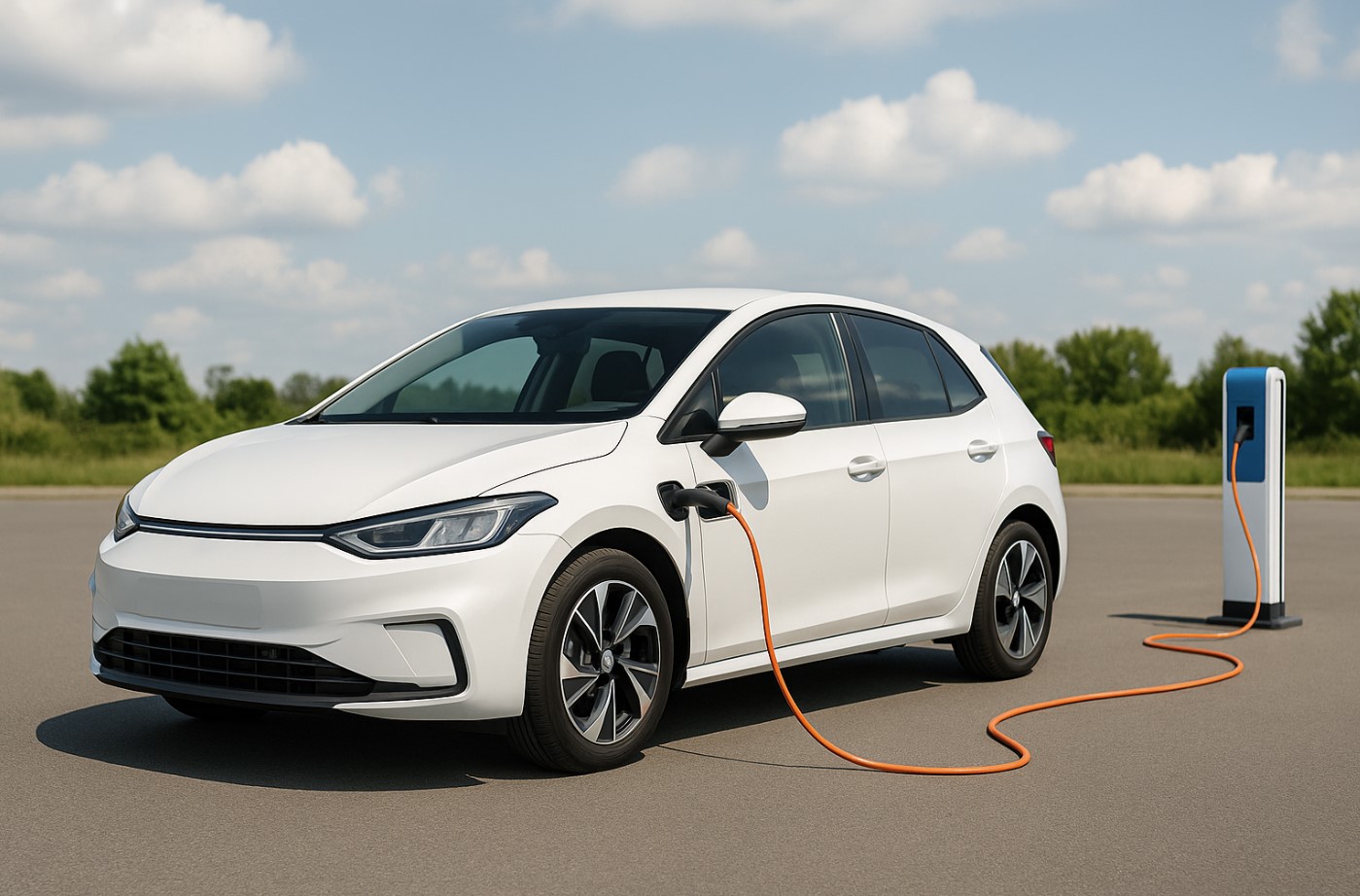 Best electric cars 2015–2025 on the German market (author’s view)