
 Car selection in Germany: diagnostics for twin-turbo cars
Introduction: why winter is the riskiest season to buy a car
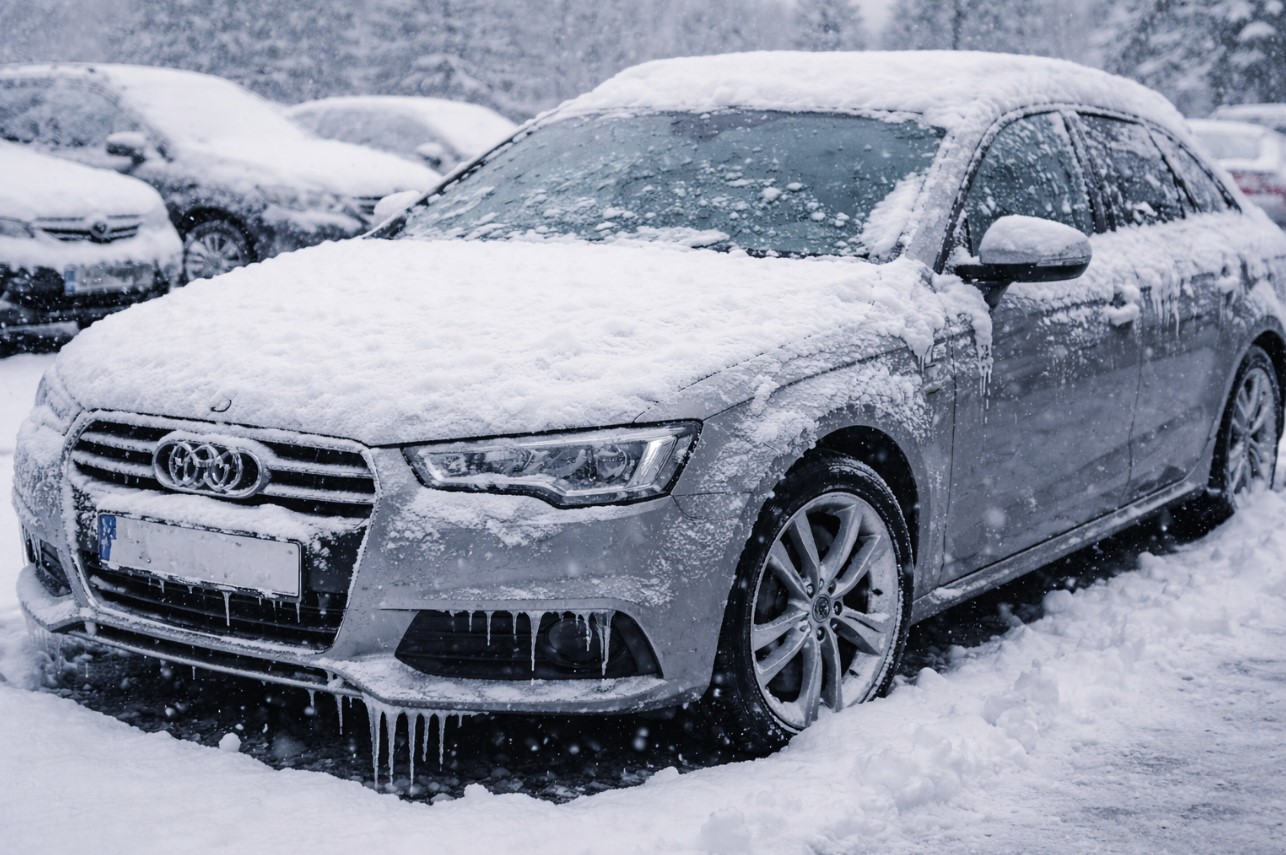
Buying a car in Germany during winter may seem like a good strategy: demand is lower, negotiation is often easier, and there can be plenty of options. But winter is also the time when hidden defects are hardest to detect — or intentionally disguised by sellers.
Low temperatures, moisture, road salt and short trips create conditions where: engine issues temporarily “hide”, suspension feels quiet, electronics behave inconsistently, and the real condition of the car is difficult to assess without a professional check.
In this article we explain which hidden defects are especially important to check in winter, why a quick DIY inspection is rarely enough, and how a pre-purchase inspection in Berlin helps you avoid expensive mistakes.
Quick priorities: what to check first in winter
| Winter risk area | What to check | What happens if you miss it |
|---|---|---|
| Cold start | True cold start, timing chain noise, smoke, idle stability | expensive repairs (chain, injectors, compression) within weeks |
| Battery / alternator | Voltage, load test, charging faults in control units | “won’t start in the morning”, random faults, electronic glitches |
| Suspension | Lift inspection, bushings/play/leaks in dampers | spring reveals a suspension bill of hundreds/thousands of euros |
| Webasto / climate / heaters | Real heating effect + fault codes in relevant modules | Webasto can be 1000€+, climate repairs are often hundreds |
| Electronics / CAN | Full scan of all modules, intermittent faults, driver assists | “ghost problems”, safety systems disabled or unreliable |
| Corrosion | Brake lines, underside, mounts, hidden zones | safety risks + HU/TÜV issues + costly body/underside repairs |
Why winter can “mislead” buyers
Winter operation is a stress test: cold starts, higher loads on the battery, constant use of heaters, and an aggressive environment (moisture + salt).
The paradox is that many defects either temporarily don’t show up, look like “normal winter behavior”, or get dismissed by buyers as cold-related — and sellers take advantage of that.
The golden rule of winter inspection: when someone says “that’s just because it’s cold” — ask for verification: diagnostic scan, voltage/charging measurements, lift inspection, and a true cold start.
Suspension & bushings: how cold hides wear
What happens to suspension in winter
In cold weather rubber components become stiff, lose elasticity and often stop squeaking or knocking. Worn bushings, links and mounts can feel “quiet” in winter — and then require urgent repairs in spring.
What is commonly hidden
- cracks in rubber;
- torn bushings;
- play in control arms;
- tired shock absorbers and leaks.
Why you won’t see it without a lift
A winter test drive often doesn’t reproduce the typical noises; it may not show body bounce; and damper leaks can be missed on a parking lot.
➡️ A lift inspection is the only reliable way to assess suspension condition.
Battery & alternator: a typical winter trap
Why batteries “die” in winter
A battery can lose up to 30–40% of its usable capacity in sub-zero temperatures. A seller may recharge it before viewing, “swap” it temporarily, or pre-warm the car.
After purchase: the car won’t start in the morning, fault codes appear, and electronics begin to misbehave.
Alternator and charging
Winter increases electrical load: seat heaters, steering wheel heating, climate fan, rear window defroster. If charging is unstable, the issue often shows up quickly for the new owner.
A proper pre-purchase inspection in Germany should include voltage measurements, load behavior and fault analysis across modules.
Mini-check: what to measure on-site
- voltage at the terminals on a cold start and at idle;
- voltage behavior when turning on heaters/fan/rear window defrost;
- charging/low-voltage related fault codes in control units.
Cold engine start: the key test sellers often avoid
What a true cold start can reveal
- timing chain wear;
- injector problems;
- weak compression;
- glow plugs / coils / ignition issues;
- sensor faults and rough idle behavior.
How sellers mask the problem
- pre-warming the engine;
- scheduling the viewing after a drive;
- refusing to show the car early in the morning.
❗ If the engine is already warm, it’s a serious red flag. You lose the most valuable winter test: real cold-start behavior.
Heaters, climate control & Webasto: expensive surprises
What often fails in winter
- seat heaters (broken heating elements);
- steering wheel heating;
- climate control (flaps, actuators, sensors);
- auxiliary heater Webasto / Eberspächer.
Why it matters
Repairs can be expensive: Webasto frequently starts from 1,000 €; climate fixes can cost hundreds; electronic repairs are often unpredictable. Many systems “turn on” but don’t actually work efficiently — and the true story is often stored as fault codes in control modules.
Practical rule: it’s not enough to “press a button”. You must verify the result (real heat/airflow) and read faults in the relevant modules.
Electronics & sensors: cold as a stress test
Winter often triggers intermittent faults, CAN-bus issues and unstable behavior of driver assistance systems. Without a computer scan, you simply won’t see the real picture.
It’s important not only to read faults but to interpret them: what is active, what is stored, whether codes were recently cleared, and how live parameters behave.
Corrosion and winter chemicals
Road salt in Germany accelerates corrosion of brake lines, underside components and electrical contacts. A quick wash can hide the problem for a short time — but it doesn’t remove the risk.
Common buyer mistakes in winter
- inspecting without a lift;
- trusting seller words instead of measurements;
- skipping diagnostics “because it’s cold”;
- buying “because it has fresh TÜV”.
TÜV/HU is not a full pre-purchase diagnosis. It does not replace a complete scan of control units, a true cold start test, and suspension/underside inspection on a lift.
Why winter inspection matters most
A professional pre-purchase inspection in Berlin typically includes: cold start testing; scanning all control units; suspension and underside checks; verification of electronics; and testing heating systems.
➡️ This is the only reliable way to understand the real condition of a winter car purchase.
Conclusion
Winter is not only a season of better deals — it’s also a season of maximum risk. Many serious defects cannot be identified without equipment and experience.
If you buy a car in winter in Berlin or elsewhere in Germany, an independent pre-purchase inspection protects you from issues that may appear just weeks after the purchase.
Werbung / *Affiliate-Link
Links and banners marked with an asterisk (*) are affiliate links/banners. If you use such a link and subsequently request an offer, sign a contract or make a purchase, we receive a commission from the respective provider. For you, there are no disadvantages: the price and conditions remain the same.
FAQ — buying a car in winter in Germany
Can I trust “everything is fine — it’s just cold”?
Sometimes cold really smooths symptoms, but that’s exactly why you must verify with diagnostics. The correct approach is measurements (battery/alternator), a true cold start, a full scan of control units, and suspension/underside inspection.
Why is a cold start so important?
On a cold start you can detect timing chain noise, injector/ignition issues, weak compression, and several sensor-related faults. If the engine is warm, you lose the most important winter test.
What problems most often “appear” after a winter purchase?
Morning starting issues (battery), intermittent low-voltage errors across modules, non-working heaters/climate/Webasto, and suspension repairs that were “quiet” in winter.
Related posts
Car selection in Germany: diagnostics for twin-turbo cars
 Land Rover inspection before buying: typical risks