
 Rust, corrosion and the underbody in winter — how not to buy a car that only looks good on top
Introduction: a dangerous misconception
The phrase “fresh TÜV” often sounds like a guarantee that a car is reliable. This is especially common among buyers who are new to the German market. In reality, having a valid TÜV does not mean the car is technically healthy — or that it will not require expensive repairs soon after purchase.
In this article we’ll explain:
- what TÜV/HU really is,
- how TÜV differs from a Kaufcheck,
- which defects are NOT checked,
- real-life “fresh TÜV” cases,
- why a pre-purchase inspection in Berlin makes sense even with a fresh TÜV.
In short: TÜV/HU is the legal minimum for road use. A buyer needs to understand drivetrain wear, history, hidden body repairs and future costs — that is exactly what a Kaufcheck is for.
What TÜV/HU is in Germany
TÜV (Hauptuntersuchung, HU) is the mandatory periodic roadworthiness inspection. In most cases it is required every two years. Its purpose is to confirm the vehicle meets minimum safety and compliance requirements for road use — not to evaluate the car’s real condition for a buyer.
What TÜV actually checks
- brakes (basic checks);
- lighting and signals;
- tire condition;
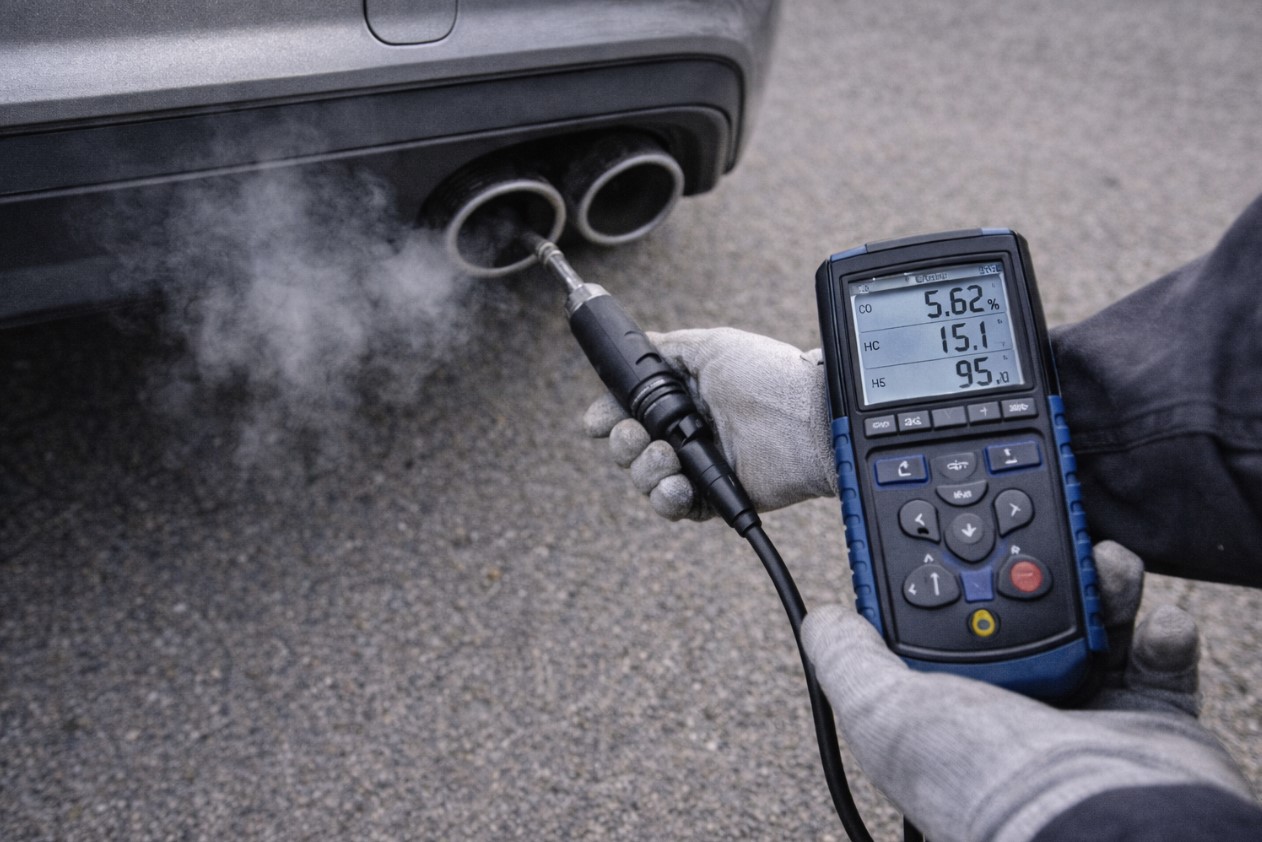
- emissions-related checks;
- obvious leaks;
- critical safety defects that are visible/clear under the HU scope.
And that’s pretty much where it ends for a buyer’s perspective.
What TÜV does NOT check (this is the key)
1) Engine lifespan and internal wear
HU does not evaluate:
- timing system wear (chain/belt condition in practice);
- compression health;
- turbocharger condition;
- oil consumption (“oil burning”).
An engine can be close to failure and still pass TÜV.
2) Fault-code history across modules
Fault codes can be cleared in minutes. TÜV generally does not do deep, buyer-focused diagnostics across all control units, and does not analyze the context (stored vs active, low voltage patterns, intermittent faults, etc.).
3) Gearbox behavior under real load
DSG, automatic, CVT — they are not tested like a buyer would test them. Jerks, delays, clutch slip, mechatronics issues often appear only under load and during real driving conditions.
4) Suspension “in motion”
The check is limited in scope. There is no buyer-style test drive with real loads where noises, vibration, steering play, or worn bushings clearly reveal themselves.
5) Hidden accident repairs and bodywork quality
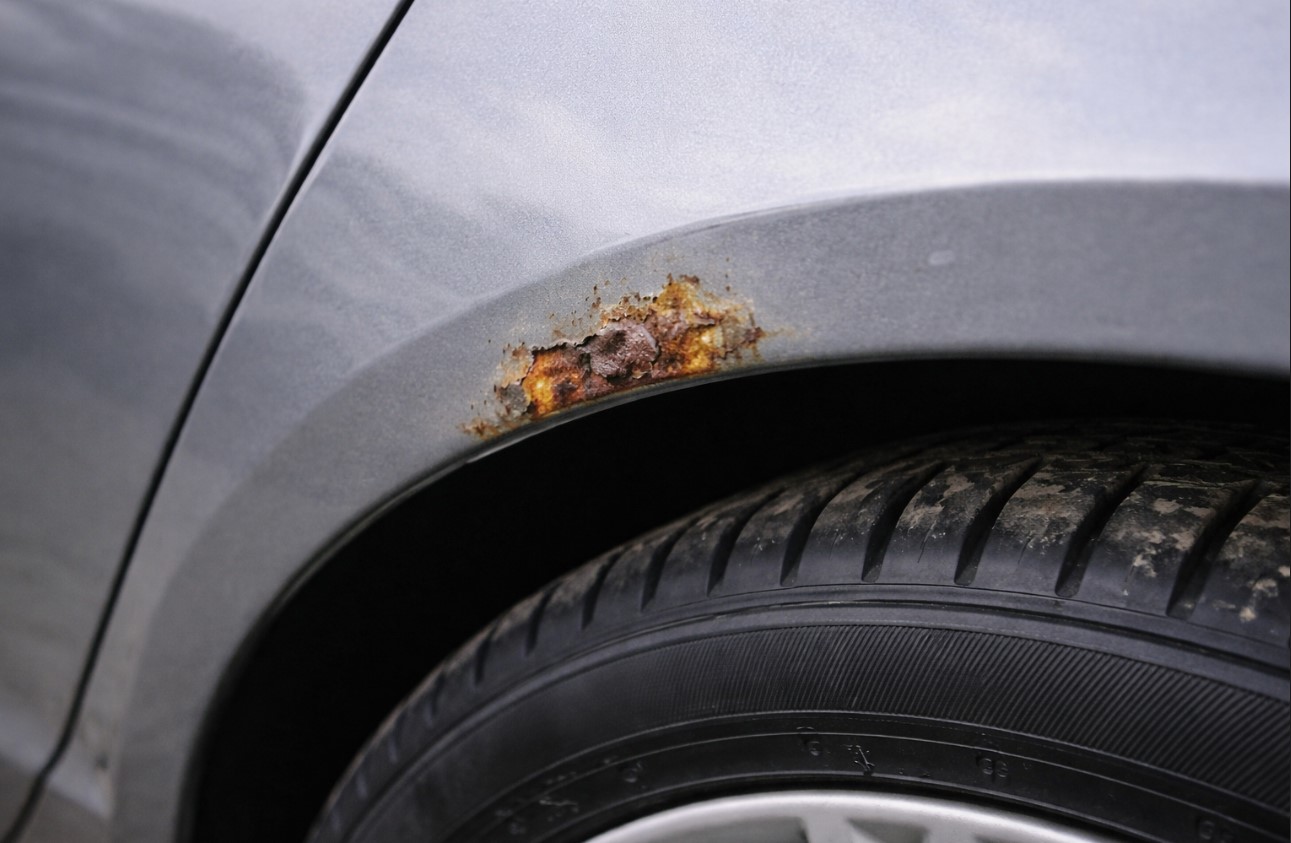
HU does not actively search for filler, repainting, hidden structural repairs, or geometry issues. A car can have serious crash history and still hold a valid TÜV.
Important: a fresh TÜV does not protect you from expensive problems (engine/gearbox/electronics/bodywork). These are exactly the issues that show up after purchase — and HU rarely reveals them to a buyer.
TÜV vs Kaufcheck: the real difference
| TÜV (HU) | Kaufcheck / Pre-purchase inspection |
|---|---|
| Minimum legal roadworthiness | Buyer-focused protection of budget and risk |
| Formal checklist under HU rules | Deep inspection by systems and real-world risks |
| No drivetrain lifespan evaluation | Condition assessment + cost forecast |
| Usually not a “buyer-style” test drive | Test drive in real conditions + gearbox/suspension behavior |
| No targeted accident/paint inspection | Paint thickness checks + visual body logic and repair assessment |
| Faults can be hidden/cleared | Full module scan + indirect signs of “recent cleanup” |
Legal angle: TÜV ≠ warranty
From a legal standpoint, TÜV is not a warranty of the car’s mechanical health. A valid HU does not mean the seller is responsible for hidden defects. After purchase, returning a vehicle is often difficult — especially in private sales (Privatverkauf) where warranty is commonly excluded.
Real-world cases
- Car with “23 months TÜV left” — engine replacement needed two weeks later.
- Fresh TÜV — DSG repair estimate around €3,500.
- Valid TÜV — body geometry issues after an accident repair.
All cases happened without an independent pre-purchase inspection.
Why TÜV is often “refreshed” right before selling
- it increases trust fast;
- it speeds up the deal;
- it reduces questions and objections.
In many listings, “fresh TÜV” is a marketing lever — not buyer protection.
Why pre-purchase inspection matters more than TÜV
A professional pre-purchase inspection typically includes:
- computer diagnostics across all control units;
- paint/body inspection and accident indicators;
- a test drive with real conditions;
- history and documentation review;
- an estimate of upcoming repair costs.
When TÜV should raise concerns
- HU was done “right before the sale”;
- it was done via a “friendly” shop and documentation is vague;
- the seller refuses independent diagnostics or a proper test drive.
Negotiation reality: a normal seller is not afraid of an independent inspection. Refusal is a signal to increase caution — or move on to another car.
Conclusion
TÜV is a mandatory minimum — not a quality guarantee. Relying on it alone is one of the most expensive mistakes buyers make in Germany.
If you want to buy a car with predictable costs in Berlin or anywhere in Germany, an independent pre-purchase inspection is the only reliable way to protect yourself.
Werbung / *Affiliate-Link
Links and banners marked with an asterisk (*) are affiliate links/banners. If you use such a link and subsequently request an offer, sign a contract or make a purchase, we receive a commission from the respective provider. For you, there are no disadvantages: the price and conditions remain the same.
FAQ — TÜV and buying a car in Germany
Is “fresh TÜV” a real advantage — or mostly marketing?
It’s an advantage only in one sense: the car met minimum legal safety requirements at the time of HU. But it does not evaluate engine/gearbox lifespan and does not guarantee the absence of expensive defects.
Can someone clear fault codes and still pass TÜV?
Yes — fault codes can be cleared quickly. That’s why buyers should rely on an independent full scan of control units, plus indirect signs that the car was recently “prepared” for sale.
Which areas most often become a problem after purchase?
Engine (oil consumption, turbo, timing), DSG/automatic (jerks, delays), electronics, and hidden body repairs. These areas are usually outside the HU scope for buyers.
Related posts
Rust, corrosion and the underbody in winter — how not to buy a car that only looks good on top
 How to check an electric car or hybrid before buying