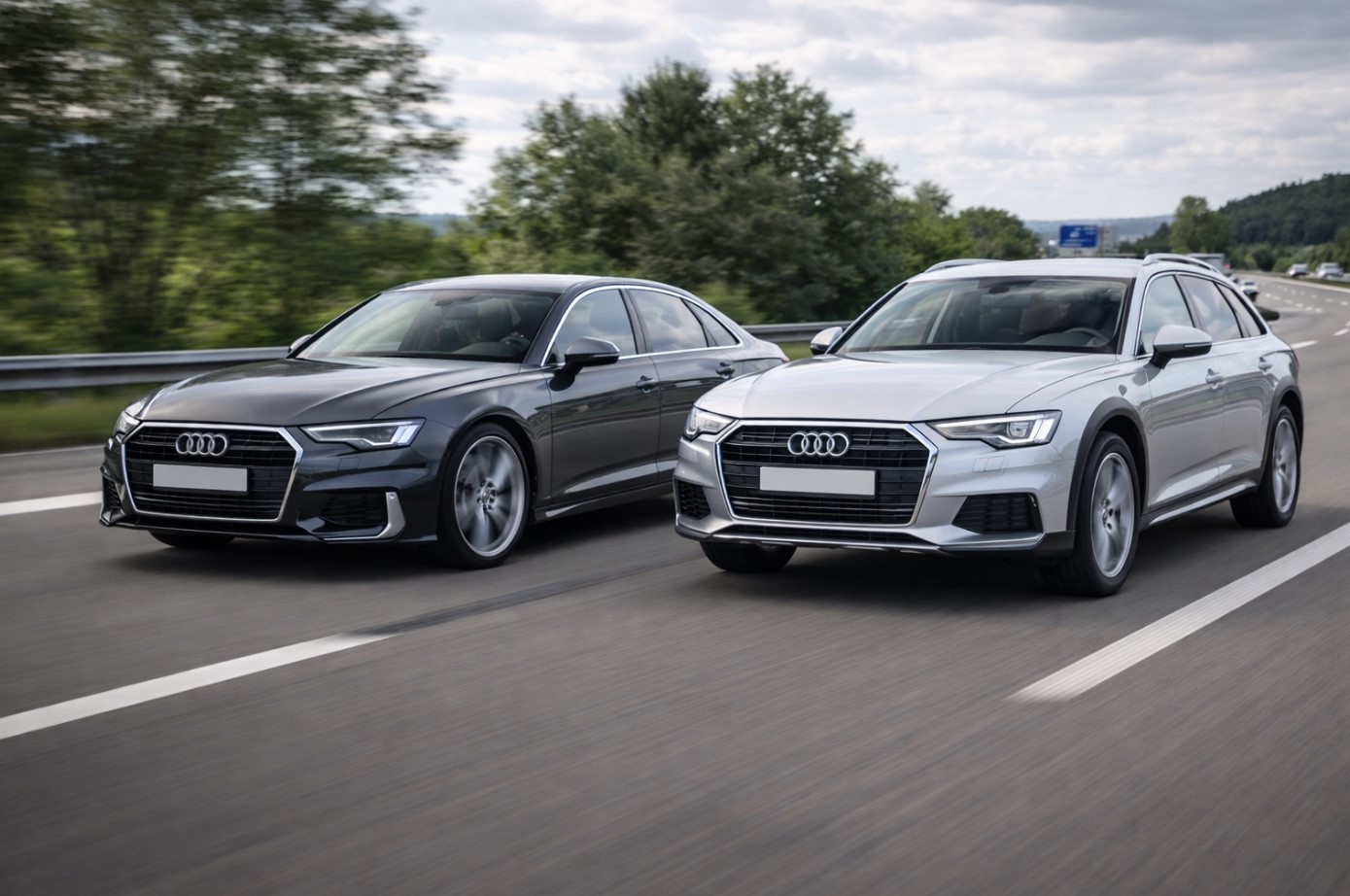
Audi A6 3.0 TDI vs 2.0 TDI: Which One Should You Choose?
Comparison of diesel Audi A6 versions: durability, DPF/AdBlue, gearboxes, and a pre-purchase checklist.
 Sicher-Check
Choosing the right tires in Germany is not just a seasonal detail. It directly affects safety, fuel economy, total cost of ownership, and even the chances of passing HU (TÜV). When buying a used car, tires and wheels are often underestimated, even though they have a direct influence on braking distance, stability, and the hidden costs you may face right after the deal.

In Germany, the rule is called situational winter tire obligation: the requirement to use winter tires, or tires legally recognized as winter-capable, does not depend on a fixed calendar date but on the actual road conditions — black ice, snow slush, packed snow, ice, or frost.
One important detail for 2026: after the transition period, tires are now considered legally suitable for winter conditions only if they carry the Alpine symbol / 3PMSF marking. The old M+S marking alone is no longer enough.
The legal minimum tread depth is 1.6 mm. But that is only a legal floor, not a sensible safety benchmark. In practice, many drivers replace tires earlier: around 3 mm for summer tires and around 4 mm for winter or all-season tires.
If your typical use means Autobahn driving, long-distance routes, warm weather, and plenty of wet asphalt in the warm season, summer tires remain the most logical and often the best choice. They are designed for higher temperatures and usually deliver stronger results in braking, steering precision, and overall stability.
In 2026, the question “Should I use all-season tires?” depends on your region, annual mileage, and driving style. Under German law, an all-season tire is suitable for winter conditions only if it carries the Alpine symbol / 3PMSF.
Yes, the right tires can help reduce fuel consumption. Fuel use is affected by rolling resistance, tire pressure, tire size, and the efficiency class shown on the EU tire label.
The right strategy for better economy looks like this: the correct seasonal tire type, a good energy-efficiency class, correct pressure, and no unnecessarily wide tire size.
| Option | Rolling resistance (average) | What it can mean for fuel use |
|---|---|---|
| Summer tire with high energy-efficiency class (A–B) | Low | Potentially lower fuel consumption compared with less efficient classes |
| All-season tire (3PMSF), average label values | Medium | More convenience, but economy depends heavily on the specific model |
| Wide or sporty tire size | Higher | Fuel use may rise, especially at speed or with aggressive driving |
| Underinflated tires | Increases | Can noticeably increase consumption and reduce safety |
When buying a car in Germany, it is not enough to take a quick glance at the tread. Tires may still look “usable” at first sight but already be too old, dried out, or structurally damaged.
Tire age is read from the DOT code on the sidewall: usually four digits showing the week and year of manufacture. Even a low-mileage tire ages over time, which is why checking age is essential.
It is important not only to check how many millimeters of tread are left, but also how the tire has worn. Uneven wear often points to alignment problems, suspension issues, weak dampers, or long-term incorrect tire pressure.
Cracks, bulges, and bubbles on the sidewall are among the clearest reasons to stop, recalculate the deal, or walk away. They often mean internal carcass damage and a real risk of sudden pressure loss at speed.
Tire dimensions and permitted combinations should be checked against the vehicle documents, mainly the Zulassungsbescheinigung Teil I and often the CoC. Speed and load indices also matter.
Even when some combinations are not explicitly forbidden, a chaotic mix of tires on one vehicle is a bad sign for both safety and handling. Different production years and different wear levels on the same axle are especially suspicious.
Wheels are not just about appearance. What matters is the absence of cracks, bends, impact damage, and whether the fitted combination is legally suitable for the car. For non-standard wheels, it is highly desirable to have approval documents such as ABE or Teilegutachten.
The cost of putting the wheels into proper condition is often underestimated. Even if you only need to replace the tires, a full set can still be a meaningful expense. If wheels, sensors, balancing, or fitting are added, the total can easily run into hundreds or even thousands of euros.
Advertisement / *Affiliate link
Links and banners marked with an asterisk (*) are affiliate links or affiliate banners. If you use such a link and later request an offer, sign a contract, or make a purchase, we may receive a commission from the provider. For you, there are no disadvantages: the price and conditions remain the same.
Yes, if the tire has the Alpine symbol / 3PMSF marking. In 2026, M+S marking alone is no longer enough.
The legal minimum is 1.6 mm. But for real-world safety, earlier replacement is usually the better benchmark.
Yes. Fuel use is influenced by rolling resistance, tire pressure, size, and the class shown on the EU tire label.
Comparison of diesel Audi A6 versions: durability, DPF/AdBlue, gearboxes, and a pre-purchase checklist.
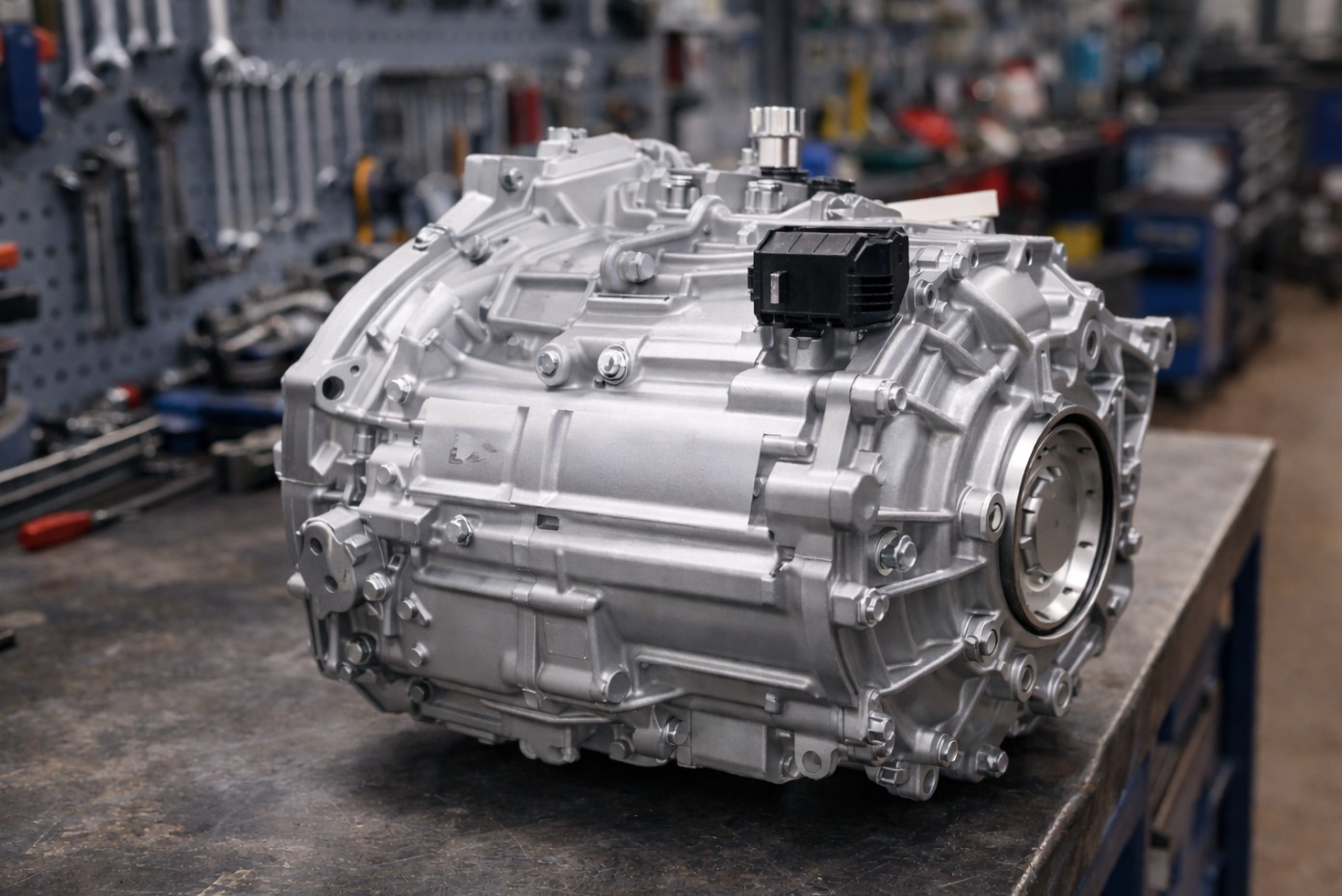
Road test, fluid condition, jerks, adaptation values, and computer diagnostics before purchase.
Disclaimer:
The information on this page is provided for general informational purposes only
and does not replace an individual on-site inspection, computer diagnosis, or professional advice.
Despite careful preparation, we do not guarantee the accuracy, completeness, or timeliness of the content.
By using the materials on this website, you act at your own risk.