
 How to Buy a Car in Germany: Step-by-Step Guide
Why gearbox diagnosis is essential before buying a used car
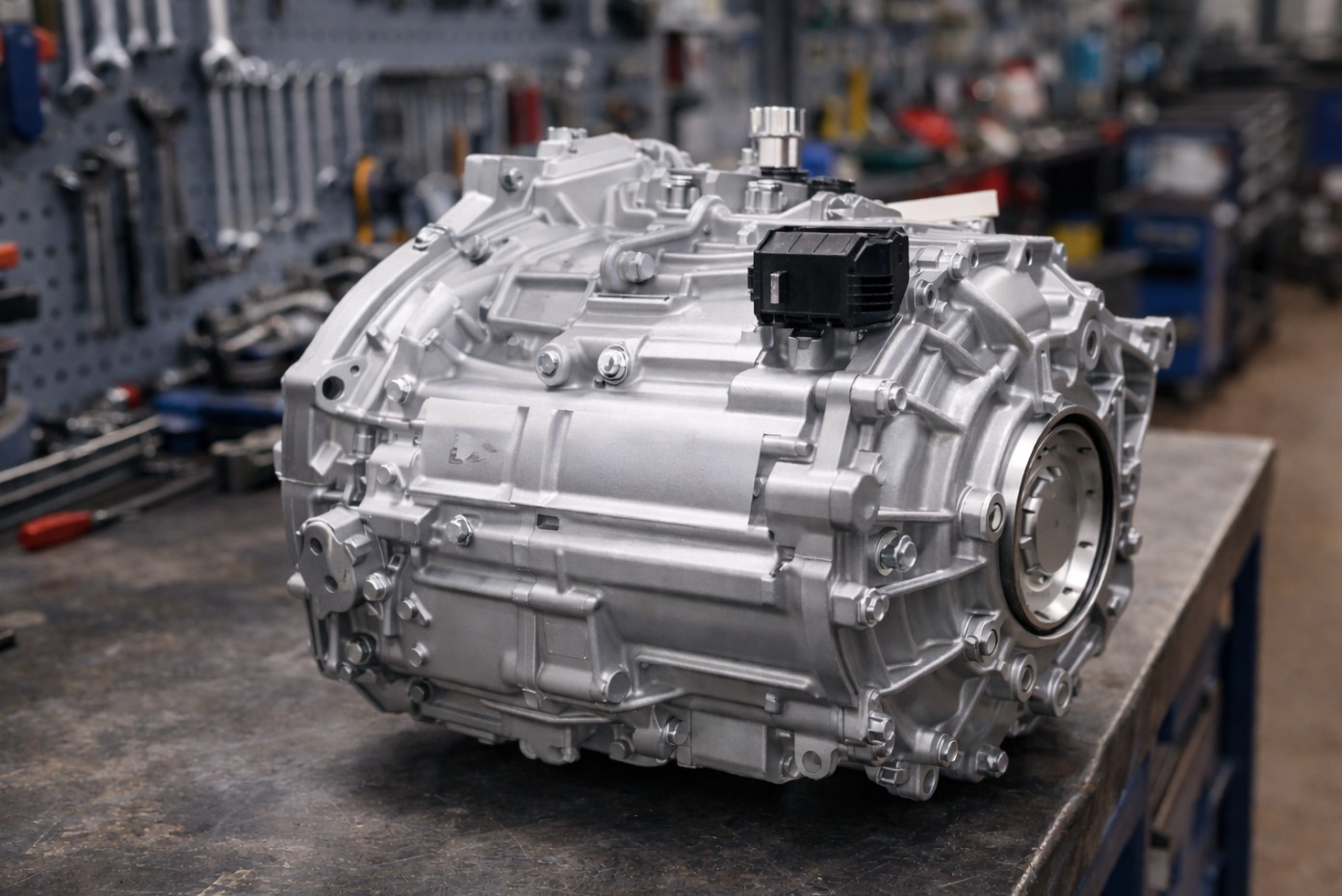
The transmission is one of the biggest sources of hidden costs on the used-car market. A seller may clear fault memory, drive gently before the appointment, or warm up the car in advance, and the gearbox may seem normal at first glance. But the real issues often appear only when the gearbox is cold, when it is fully hot, or inside the control-unit data.
Typical buyer search intent: “how to check automatic transmission before buying”, “DSG inspection Germany”, “DSG diagnosis Berlin”, “automatic gearbox inspection before purchase”, “pre-purchase gearbox check Berlin”.
What types of automatic transmissions are common in Germany?
Before you inspect a car, it is important to understand what type of transmission it has, because the symptoms and the diagnostic logic are not the same.
- Torque-converter automatic — usually smooth, but sensitive to overheating and old fluid.
- DSG / dual-clutch gearbox — automated transmission with two clutches (DQ200, DQ250, DQ381 and others).
- S-Tronic — Audi’s version of a dual-clutch gearbox.
- 7G-Tronic / 9G-Tronic — Mercedes conventional automatic transmissions.
- ZF 6HP / 8HP — widely used in BMW, Audi, Jaguar and others; strong units, but fluid service still matters.
- CVT — a separate category, often very sensitive to overheating and poor maintenance.
Automatic transmission and DSG service history in Germany
Do you need to change the oil if the gearbox is “lifetime fill”?
Yes. “Lifetime” does not mean the oil lasts forever. Gearbox oil ages because of heat, friction and load. From a buyer’s perspective, the rule is simple: if there is no proof of oil service, you must budget for risk.
| Gearbox type | Practical oil-change reference | Buyer takeaway |
|---|---|---|
| DSG DQ250 (wet clutch) | every 60,000 km | If there are no records, check clutch and adaptation values and budget for service immediately. |
| DSG DQ200 (dry clutch) | depends on clutch condition / service logic | Clutch-wear diagnosis and behavior in traffic and from a standstill are especially important. |
| ZF 6HP / 8HP | 60,000–80,000 km | Particularly important at 120,000–200,000 km when history is incomplete. |
| Mercedes 7G / 9G | 60,000–80,000 km | Check shift smoothness, temperature behavior, fault codes and service records. |
What if there are no records of gearbox oil changes?
- Budget for an immediate oil service after purchase, including filter and seals where required.
- Assume there may be accelerated wear on friction elements or clutches.
- Carry out an extended computer diagnosis of the gearbox: TCU, adaptations, temperature behavior and stored faults.
Gearbox oil color and condition: quick guidelines
The fluid should generally be clear, reddish or amber, and not smell burnt. Dark fluid, a pronounced burnt smell, or metallic shimmer are warning signs of overheating and wear.
Red flag: a burnt smell combined with delayed engagement and harsh shifts is already a classic scenario for an expensive gearbox repair.
Typical symptoms of wear in an automatic transmission or DSG
1) Kicks, jolts and harsh shifts
These often show up during 1–2 shifts, during downshifts while slowing down, or when changing between R ↔ D.
- DSG clutch wear;
- adaptation values out of range;
- old or contaminated oil;
- mechatronics or valve-body problems;
- software-related issues in some cases.
2) Slipping under load
The engine revs rise, but road speed does not increase properly. This is especially important during hard acceleration, uphill driving, or when the gearbox is fully warm. It is a critical warning sign for friction-element wear, clutch wear, converter issues or pressure problems.
3) Delayed gear engagement
One of the simplest practical checks is the transition from R → D and D → R. A noticeable delay of more than about one second is a reason to go deeper.
4) Vibration when moving off
This is common in some DSG applications, especially in traffic. It may point to clutch wear, adaptation issues, or in some cases dual-mass flywheel problems.
5) Emergency mode / limp mode
Messages such as Gearbox malfunction, Getriebe Störung or Transmission fault are never something to ignore. At that point, the fault memory and live data must be checked.
| Symptom | Possible reason | Risk level |
|---|---|---|
| Harsh 1–2 shifts / jerks on downshift | adaptations, old oil, clutch wear, valve body wear | medium → high (diagnosis required) |
| Slipping during acceleration | friction elements, clutch pack, torque converter, pressure issue | high (often expensive) |
| Delay between R and D | pressure loss, valve body, mechatronics, wear | high |
| Vibration when starting off | DSG clutch wear, flywheel, adaptation issue | medium → high |
How to test-drive a car properly when checking the gearbox
In a proper pre-purchase inspection in Berlin, the gearbox test follows a clear sequence: cold gearbox check first, then 15–20 minutes of driving, and finally a hot gearbox evaluation.
1) Cold start
- the gearbox should be genuinely cold, not pre-warmed by the seller;
- check engagement of R and D, delays and jolts;
- assess take-off smoothness and the first few shifts.
2) Acceleration phase
- start with gentle acceleration;
- then do a more decisive throttle input;
- watch the 1–2–3 shifts and the response to kickdown.
3) Deceleration phase
- lift off the accelerator;
- observe downshifts carefully;
- listen and feel for bumps, nudges or harsh engagement.
4) Traffic / crawling mode
- slow movement with frequent changes in load;
- assess smoothness at very low speed;
- for DSG gearboxes, this is one of the most revealing operating conditions.
Should you warm up the gearbox before judging it? Yes. Cold operation often reveals delayed engagement and jolts. Hot operation often reveals slipping, heat-related issues and unstable pressure behavior. That is why both temperature states matter.
DSG diagnosis and automatic gearbox diagnosis: what matters in OBD data
Without OBD analysis, many gearbox problems stay invisible. As part of a proper DSG diagnosis in Berlin, we read the relevant control units, look for fault codes, check adaptation status, evaluate temperature behavior and identify indirect signs of overheating or wear.
Parameters that have real practical value
- Oil temperature and signs of overheating.
- Pressure values in mechatronics or relevant control circuits, where available.
- Clutch wear values (Kupplungsverschleiß) on DSG applications.
- Adaptation counters, adaptation limits and correction behavior.
- TCU fault codes and their status.
- Freeze Frame data if available.
Examples of typical fault codes
| Code | Description | What it may indicate |
|---|---|---|
| P17BF | Clutch adaptation limit reached | DSG clutch wear / adaptation limit reached — often an expensive issue. |
| P0741 | Torque converter clutch performance | Problem with converter lock-up performance. |
| P2711 | Unexpected mechanical gear disengagement | Mechanical gearbox issue, slipping or pressure-related malfunction. |
| P0720 | Output speed sensor malfunction | Speed sensor, wiring issue or related gearbox fault. |
Which DSG indicators are especially important?
- clutch wear values around 70%+ as a marker of approaching repair;
- frequent adaptation faults or adaptation limits reached;
- signs of repeated oil overheating;
- systematic TCU faults that return after clearing.
What if the gearbox only “kicks a little”? Sometimes a service, adaptation procedure or software update helps. But if the clutch pack or friction elements are genuinely worn, repair is not avoidable. The key point is not to guess — it is to measure.
Real-world examples from Berlin
VW Passat with DSG. Seller’s statement: “No problems at all.” Diagnosis result: P17BF plus 82% clutch wear. Outcome: either strong price negotiation or walk away — estimated repair risk around €1,200–2,500.
BMW 5 Series with ZF 8HP. Mild but noticeable 2–3 shift kicks. No proof of gearbox oil service and high mileage. Outcome: budget for service and risk, check live data, then decide based on the price.
Advertisement / *Affiliate link
Links and banners marked with an asterisk (*) are affiliate links or affiliate banners. If you use such a link and later request an offer, sign a contract or make a purchase, we may receive a commission from the provider. For you, there are no disadvantages: the price and conditions remain exactly the same.
How much does gearbox repair cost in Germany?
| Type of work | Typical price range |
|---|---|
| DSG oil service | €350–600 |
| DSG clutch replacement | €1,200–2,500 |
| Mechatronics repair | €1,500–3,000 |
| Major automatic gearbox rebuild | €3,000–6,000+ |
Economic conclusion: the price of a professional inspection is usually many times lower than the cost of gearbox repair. A proper transmission check is direct protection from losing thousands of euros.
What is included in our DSG / automatic gearbox inspection in Berlin
- computer diagnosis: fault memory, statuses and live parameters;
- clutch-wear analysis for DSG applications and adaptation review;
- road test in different modes: cold gearbox, hot gearbox, traffic, acceleration and braking;
- written conclusion with a practical recommendation: buy / negotiate / walk away.
Short checklist before you even call the seller:
- When was the gearbox oil changed? Are there invoices or workshop records?
- Are there any jerks when cold or when fully warm? How does it behave from R to D?
- Have the mechatronics, valve body or clutch ever been repaired?
- Will the seller allow a 20-minute road test and OBD diagnosis?
FAQ — DSG and automatic gearbox checks before buying
Can you assess DSG wear without diagnostics?
Not reliably. You need TCU and mechatronics data, clutch-wear values, adaptation status and fault memory. A short drive alone is not enough.
Are mild kicks or jerks dangerous?
Yes, they can be an early sign of a serious issue. Without diagnostics, you cannot tell whether it is a harmless software behavior or real mechanical wear already in progress.
Do I really need to change the oil in an automatic gearbox?
Yes. Even if the manufacturer calls it “lifetime fill”, oil still ages in real driving conditions. Regular fluid service reduces the risk of overheating and internal wear.
Related posts
How to Buy a Car in Germany: Step-by-Step Guide
 How to Buy a Used Car with Less Than 30,000 km in Germany Without Overpaying