
Pre-purchase car inspection in Germany: what can be found before the deal
Why diagnostics, body inspection and document checks matter before buying a used car.
 Sicher-Check
A used electric car in Germany is no longer a niche purchase for early adopters only. The market now has more lease returns, more models, more attractive prices and a broader choice for private buyers. But with an EV, the biggest risk is often not hidden in the engine bay — it is inside the high-voltage battery.
A buyer may see a clean interior, no warning lights, low mileage and a tempting price. That still does not mean the specific EV is suitable for daily use. Before buying, you need to understand the battery SoH, real-world range, AC/DC charging capability, remaining HV battery warranty and service history of the high-voltage system.
This guide explains how to buy a used electric vehicle in Germany without self-deception: what SoH really means, why one battery percentage is not enough, how to estimate real range and which documents you should request before signing the purchase contract.
❗ Key point: With a used EV, mileage and body condition are only part of the story. The traction battery is the most expensive component. The real value of the car depends on SoH, charging behaviour, temperature management, software and your daily driving profile.
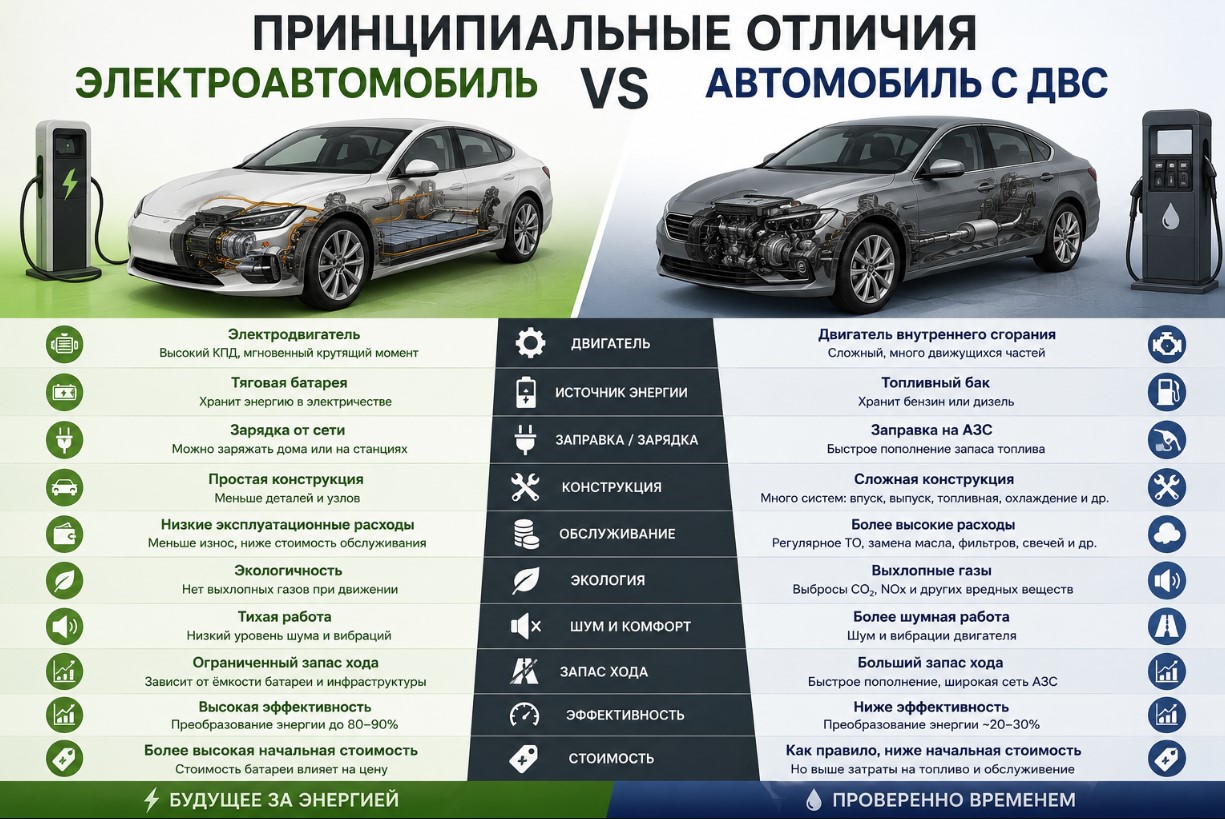
Used electric cars in Germany are no longer a small niche for technology enthusiasts. The second-hand market now includes more lease returns, more model generations and more vehicles that were expensive when new but have become more accessible to private buyers.
For a first-time EV buyer, this is good news: it has become easier to find a used electric car. But the cost of choosing the wrong one remains high. With an electric vehicle, the decisive factor is not only bodywork, mileage or interior condition. The high-voltage battery is often the key risk.
✅ Important search terms for this topic: used electric car Germany, EV battery SoH, gebrauchte Elektroautos Batteriecheck, SoH Batterie Gebrauchtwagen, E Auto gebraucht kaufen.
The usual used-car checks still matter: bodywork, paint thickness, interior wear, suspension, brakes, documents and service history. But without evaluating the battery, real range and charging capability, the inspection remains incomplete.
In a petrol or diesel car, the most expensive risk is often the engine or gearbox. In an electric car, the logic changes. The high-voltage battery is the central and most expensive component.
The battery determines the real value of the car, its resale potential, range, charging speed and daily usability. A used EV can look excellent from the outside while hiding a weak or badly aged battery.
❗ Depending on the model and battery size, replacing a high-voltage battery can cost €10,000 to €20,000 or more.
This is why a standard used-car inspection is not enough. You should not stop after checking paintwork, tyres, interior wear and documents. For an EV, you also need to understand:
✅ For most modern EVs, the battery decides whether the purchase is a smart deal or a very expensive mistake.
Almost every used EV seller eventually mentions the magic phrase: “The battery has 90% SoH.”
SoH means State of Health. In simple terms, it describes how the current battery condition compares with the condition of a new battery. At first glance, the idea seems simple:
| SoH | Typical meaning |
|---|---|
| 100% | Condition close to a new battery |
| 90% | Approx. 10% capacity loss |
| 80% | Approx. 20% capacity loss |
| 70% | Often close to the manufacturer warranty threshold |
In practice, however, the topic is more complicated. Different manufacturers, diagnostic tools and software versions may calculate or display SoH differently. Two vehicles with the same SoH percentage do not always have the same real battery condition.
⚠ A single SoH number is only useful when you know how it was measured, under which conditions and whether the result is supported by a proper Battery Check or Battery Certificate.
| Document | Why it matters |
|---|---|
| Battery Certificate | Confirms the remaining battery capacity or battery health result |
| Battery Check | Provides an inspection result from a diagnostic process or service provider |
| Service history | Shows whether the HV system has been maintained or repaired |
| Warranty records | Shows battery-related repairs, campaigns or manufacturer interventions |
As a rough orientation only, many buyers use the following values. These figures are not a guarantee; they simply help you ask better questions during the inspection.
| Mileage | Rough SoH orientation |
|---|---|
| 50,000 km | approx. 92% |
| 100,000 km | approx. 88% |
| 150,000 km | approx. 84% |
| 200,000 km | approx. 80% |
💡 Buying a used EV only because the seller quotes a good SoH percentage is a mistake. The method, documentation, charging behaviour and real range are just as important.
One of the most common mistakes is comparing used electric cars only by the WLTP range stated in the advertisement. WLTP is useful for comparing models in standardised conditions, but it does not tell you how far this specific car will drive in your daily life.
In winter, range can drop significantly because the battery and cabin require heat.
Autobahn driving consumes far more energy than calm city driving.
Cabin heating, battery heating and defrosting use additional energy.
Passengers, luggage and long journeys increase energy consumption.
Lower SoH means less usable energy and usually less range.
City traffic, rural roads and motorways produce very different results.
In practice, it is often more useful to look at real consumption in kWh per 100 km than at the advertised range. This gives you a more honest picture of what the car can actually do.
| Usable battery | Consumption | Practical range |
|---|---|---|
| 40 kWh | 20 kWh / 100 km | approx. 200 km |
| 60 kWh | 18 kWh / 100 km | approx. 330 km |
| 77 kWh | 20 kWh / 100 km | approx. 385 km |
❗ The same EV may show 450 km in summer and around 300 km in winter. Always evaluate range based on your real driving profile, not on a perfect-weather number.
Even a battery with excellent SoH does not make the car convenient if the charging capability does not fit your lifestyle. A used EV can have acceptable range but still be inconvenient if it charges too slowly or uses an outdated connector.
| Charging type | Where it is used | Key point |
|---|---|---|
| AC | Home, Wallbox, public parking, workplace | Slower, usually cheaper and more convenient for regular charging |
| DC | Fast chargers on motorways and long-distance routes | Important when you need to recover range quickly during travel |
For a city car, strong AC charging may be enough. For regular long-distance trips across Germany, DC fast charging speed can become a decisive factor.
⚠ Some older EVs use CHAdeMO. Before buying, check whether charging infrastructure on your routes still supports your vehicle properly.
In modern EVs, software is not only about the screen and infotainment. It can affect charging, battery temperature management, range calculation, energy consumption and sometimes even usable battery capacity.
Today, software history is part of the service history of an electric vehicle — just as engine oil service used to be a central point for combustion cars.
One of the main advantages of buying a relatively young used electric car is the manufacturer warranty on the high-voltage battery. Many manufacturers offer HV battery coverage for up to 8 years or a defined mileage limit. However, the exact terms differ by brand, model and market.
| What to check | Why it matters |
|---|---|
| Date of first registration | Determines the remaining time under factory battery warranty |
| Mileage | Many warranties are limited by mileage as well as age |
| Service history | Confirms correct maintenance and possible HV-related entries |
| Battery Certificate | Helps verify the current battery condition |
| Warranty repairs | Shows whether the battery, modules or charging system have already had issues |
A previous HV repair does not automatically make the car bad. But the buyer must understand exactly what was repaired, why it was repaired and whether it was performed by an authorised service centre.
You should request:
⚠ If the seller says that battery elements were replaced, clarify whether it was an official manufacturer repair or work done by an independent workshop.
Before signing the purchase contract, go through the following checklist. It helps you avoid buying an EV with an unknown battery risk.
| Check | Status |
|---|---|
| VIN matches all vehicle documents | ☐ |
| Service history has been checked | ☐ |
| Battery SoH has been verified | ☐ |
| Battery Check / Battery Certificate is available | ☐ |
| HV battery warranty has been checked | ☐ |
| AC charging has been tested or documented | ☐ |
| DC fast charging capability has been verified | ☐ |
| OBD / control unit fault memory has been checked | ☐ |
| Bodywork and paint thickness have been inspected | ☐ |
| Real-world range has been evaluated realistically | ☐ |
❗ If the seller cannot provide any meaningful battery condition data, the buyer is accepting the most expensive EV risk almost blindly.
Advertising / *Affiliate link
Links and banners marked with an asterisk (*) are affiliate links. If you click such a link and, for example, make a purchase or order a report, we may receive a commission from the provider. This does not change the price or conditions for you.
Inspecting an electric car is different from inspecting a petrol or diesel vehicle. In addition to the usual bodywork and interior inspection, the high-voltage system and electronic control units must be evaluated carefully.
We analyse available information about HV battery condition, SoH and service history.
We check fault memory and electronic control units where access is possible.
We look for accident traces, repainting, poor repairs and visible structural concerns.
We review service history, battery warranty, invoices and vehicle documents.
We evaluate charging capability and whether the car fits your charging infrastructure.
Inspection findings can be used as clear arguments for price negotiation or rejection.
Our goal is not just to say whether the car starts and drives. The real question is whether the specific EV makes sense for your budget, your route profile and your long-term ownership costs.
First of all, check the high-voltage battery condition, SoH, warranty status, service history and diagnostic results. A clean body and low mileage are not enough.
There is no universal number. A good SoH depends on the vehicle age, mileage, measurement method, model, usage history and real-world range.
No. Real EV range depends on temperature, speed, route, heating, driving style and actual battery condition. The WLTP figure is only a standardised comparison value.
Yes. AC and DC charging capability, connector type, cable set and charging speed should be checked before buying, especially if you plan longer trips.
It is better to obtain a Battery Check or Battery Certificate before purchase, especially for higher-mileage cars or vehicles with unclear charging and service history.
A used electric car can be a very good purchase in Germany if you evaluate more than the price in the advert. Battery condition, warranty, charging capability, real range and service history are central to the decision.
SoH, Battery Check, charging behaviour and high-voltage system history now matter for an EV in the same way that engine compression, gearbox behaviour and service records matter for a combustion car.
💡 A professional EV inspection before purchase helps you understand the real risks, avoid expensive battery mistakes and choose a car that actually fits your daily use.
Why diagnostics, body inspection and document checks matter before buying a used car.
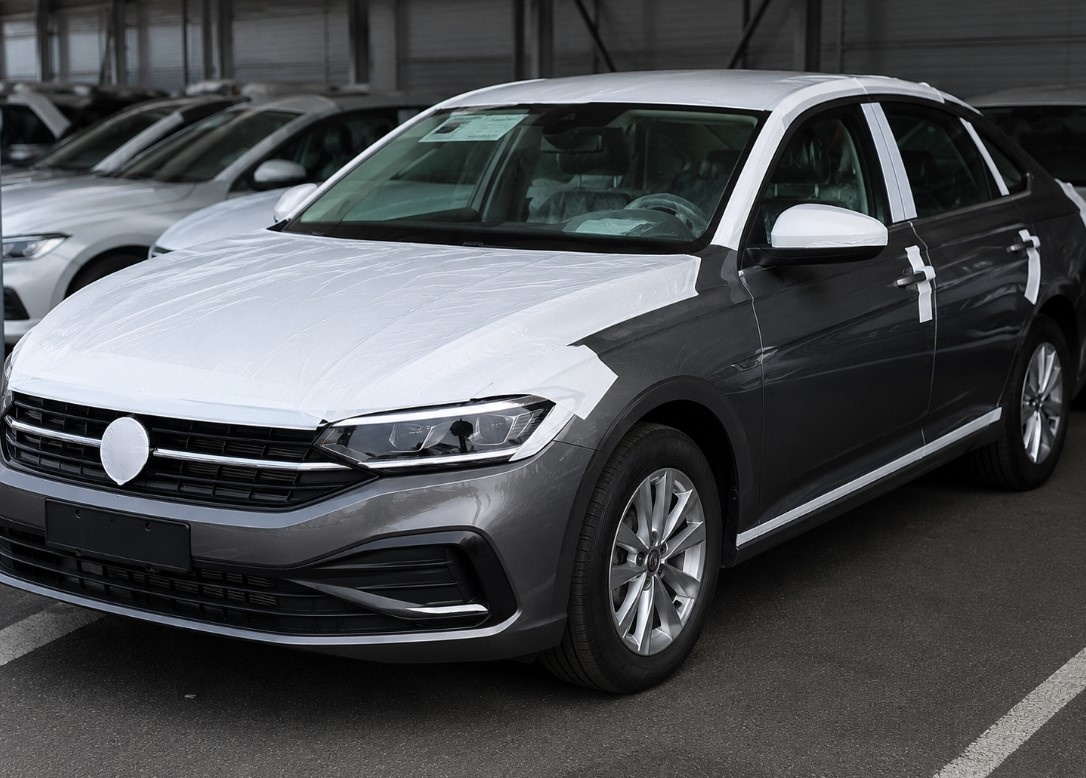
What to check even when the vehicle is new: handover, documents, registration and warranty details.
Disclaimer:
The content on this page is provided for general information only and does not replace an individual vehicle diagnosis,
legal advice, tax advice, manufacturer information or a binding technical inspection on site.
Information about SoH, range, charging power, warranty conditions and battery condition may vary depending on model,
software version, measurement method, temperature, driving profile, route and manufacturer specifications.
For high-voltage systems, battery repairs and official battery warranty decisions, always consult a qualified EV specialist
or the authorised manufacturer service network.
Despite careful preparation, we do not guarantee the accuracy, completeness or current validity of the information.
You use the information at your own risk.