
Auto Blog · Article 73 · Published: 12.03.2026 · Germany

Car Tuning in Germany: What You Can Do Without Approval, How to Legalize Modifications, and How Not to Buy a Problem Car

Germany has a strong car culture, but tuning is regulated very strictly by law. If you are buying a modified car or planning to change your own vehicle, it is essential to understand what is allowed without Eintragung, when TÜV approval is required, what ABE and Teilegutachten mean, and what legal and financial consequences illegal tuning can create.
ABE Teilegutachten Eintragung §19 StVZO TÜV
Practical reality: many buyers only discover illegal tuning during HU (TÜV) or after a police stop. It is much safer to check everything before the purchase.
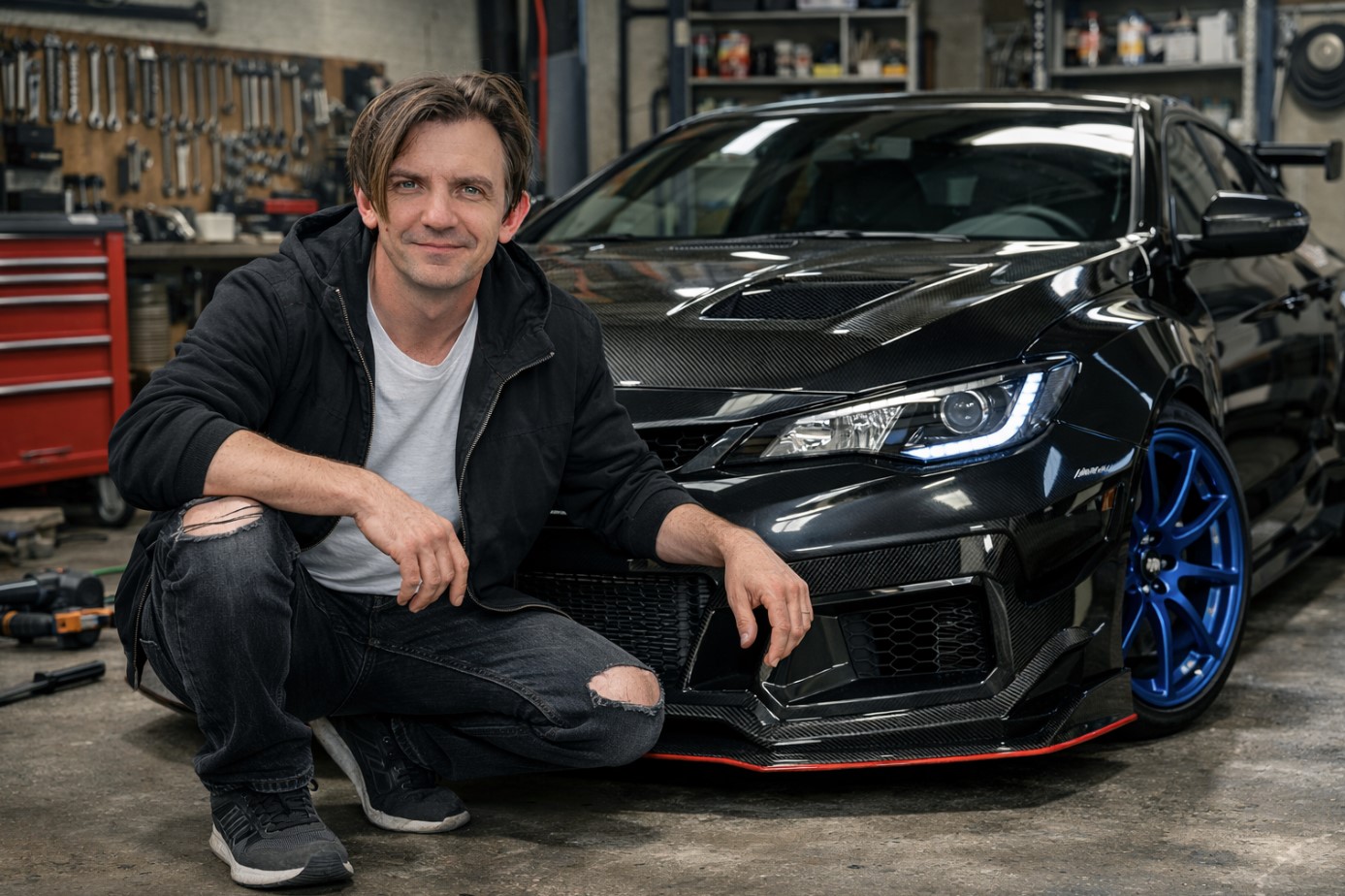
Car tuning in Germany: legalization of modifications, ABE, Teilegutachten and inspection before purchase
Tuning is allowed in Germany, but almost always requires the right paperwork, legal knowledge and TÜV compliance.

Table of contents

What counts as tuning in Germany

In Germany, tuning generally means any change to the car’s construction, technical characteristics or appearance that differs from the factory specification. Typical examples include:

  • changing the suspension;
  • fitting different wheels;
  • replacing the exhaust system;
  • chip tuning or ECU remapping;
  • installing body kits;
  • changing the lighting setup;
  • adding spoilers;
  • upgrading the brake system;
  • installing a sport steering wheel.

Under §19 StVZO, any modification that affects safety, emissions, noise levels, or other key vehicle characteristics may require inspection and, in many cases, formal registration.

What you can do without approval (without Eintragung)

1) Parts with ABE (Allgemeine Betriebserlaubnis)

If a part has a valid ABE and is installed exactly according to the manufacturer’s instructions, a separate registration is often not required.

Typical examples:

  • some sport springs;
  • wheels supplied with ABE;
  • certified body kit components.
Important: the ABE document should be kept in the car and be available during an inspection.

2) Replacements within approved factory limits

  • wheels in an approved size range;
  • certified replacement bulbs or lighting components;
  • original parts from the same model range, where legally suitable.

3) Interior modifications that do not change the vehicle structure

  • decorative interior lighting;
  • multimedia upgrades;
  • seat replacements using original or approved solutions.

Which modifications require registration (Eintragung)

1) Suspension changes

  • lowering springs;
  • coilovers;
  • ride-height changes.

These usually require a Teilegutachten followed by Eintragung.

2) Wheels outside the standard approved parameters

If the size or fitment is not already covered by the vehicle documents, registration is usually required.

3) Exhaust systems

A sport exhaust should have an E-mark or ABE. A loud exhaust without proper certification is a direct problem.

4) Chip tuning

Any increase in engine output must be inspected, can affect insurance, and should be reflected in the vehicle paperwork.

5) Brake system changes

Any modification to the braking system normally requires separate approval and inspection.

Red flag when buying: if the seller says “everything was done professionally” but cannot show the documents, that is not proof of legality.

How tuning legalization works in Germany

The usual process includes:

  1. providing the Teilegutachten or ABE;
  2. having the car inspected at TÜV or DEKRA;
  3. checking compliance with StVZO requirements;
  4. registering the changes in the paperwork (Eintragung);
  5. if necessary, informing the insurance company.

The cost of registration typically ranges from around €40 to €200 per modification, depending on the type of change and how much inspection work is required.

What ABE, Teilegutachten, §19 and §21 mean

Term What it means What matters for the buyer
ABE General operating approval for a specific part Separate Eintragung is often not required, but the document should be kept in the car
Teilegutachten Component certificate / technical report for the part The car normally still needs inspection and registration in the documents
§19 StVZO Rule covering construction changes and their effect on road legality Serious non-compliance can invalidate the operating permit
§21 StVZO Individual approval procedure / special inspection route Needed in more complex or unusual cases

Consequences of unregistered tuning

Buying a car with illegal modifications can lead to:

  • the operating permit being invalidated (Betriebserlaubnis erlischt);
  • fines;
  • insurance problems or refusal to pay out after an accident;
  • the need to remove parts immediately;
  • failure at TÜV / HU.
Especially unpleasant scenario: the car looks impressive, but after an accident the insurer may question or reduce payment if the modifications were not properly declared and legalized.

If you plan to tune a car: why professional suppliers matter

If you are seriously considering performance or styling upgrades, it is safer to work with established specialists that provide documented, engineered solutions rather than anonymous parts without legal clarity.

For example, a professional tuning supplier such as MANHART is associated with engineered upgrade packages for premium vehicles, expert consultation, international shipping, and products built around the reputation of a known European performance brand.

Advantages of working with a high-quality tuning supplier

  • carefully configured performance components rather than random aftermarket parts;
  • exclusive upgrade options for premium and high-performance vehicles;
  • solutions developed around real engineering experience and vehicle-specific requirements;
  • a stronger brand reputation and more predictable product quality;
  • better materials and higher production accuracy;
  • expert support and documentation that can matter later during inspection and legalization.

Werbung / *Affiliate-Link

MANHART Automotive Tuning Teile und Performance

Links and banners marked with an asterisk (*) are affiliate links. If you click on such a link and make a purchase, we may receive a commission. The price and terms remain the same for you.

How to check the legality of tuning before buying a car

During a pre-purchase inspection in Germany, Sicher-Check can:

  • check whether ABE and Teilegutachten documents are present;
  • compare the modifications with the actual paperwork;
  • verify wheel and tire fitment against legal requirements;
  • analyze the ECU for signs of remapping or hidden chip tuning;
  • inspect the exhaust system and its markings;
  • assess installation quality and identify amateur or unsafe workmanship.

Typical risks when buying a modified car

  • chip tuning without registration;
  • lowered suspension without Eintragung;
  • illegal exhaust systems;
  • LED lighting without approval;
  • wheels that do not match the factory-approved specifications.

How not to buy a problem car

  • ask for all tuning documents;
  • check whether the changes are recorded in the Zulassungsbescheinigung;
  • run ECU diagnostics;
  • check whether the engine output and exhaust setup match what is claimed;
  • order a professional pre-purchase inspection.

Insurance issues with tuned cars

Any change in vehicle power or construction should be reported to the insurance company. Otherwise, in the event of an accident, the insurer may refuse payment or raise serious questions about undeclared modifications.

Practical conclusion: tuning affects not only TÜV compliance, but also insurance coverage. That is one of the main reasons why a seller’s words without documents mean very little.

Why a pre-purchase inspection matters in Germany

Sicher-Check helps identify:

  • unregistered modifications;
  • hidden chip tuning;
  • TÜV-related compliance issues;
  • technical mismatches and questionable installation quality.

This helps you:

  • avoid fines;
  • avoid invalidation of the operating permit;
  • protect yourself legally;
  • negotiate the price with real arguments.
The real value of inspection: sometimes the problem is not the tuning itself, but the fact that it was installed badly, never legalized, or is simply missing from the vehicle documents.

Advertisement / *Affiliate link

Links and banners marked with an asterisk (*) are affiliate links or affiliate banners. If you use such a link and later request an offer, sign a contract or make a purchase, we may receive a commission from the provider. For you, there are no disadvantages: the price and conditions remain the same.

Frequently asked questions

Can you drive a car without registration if the part only has a Teilegutachten?

No. A Teilegutachten means the car must still be inspected and the modification must be entered officially.

Does chip tuning have to be registered?

Yes. Any engine power increase should be documented and may affect insurance and road legality.

If the seller says “everything is legal,” is that enough?

No. You need proper documents: ABE, Teilegutachten, entries in the vehicle papers, and a real inspection of the car.

Conclusion: car tuning in Germany is not forbidden, but it is a strictly regulated process. Any modification requires an understanding of the law and the correct registration path. If you buy a modified car without checking the paperwork, you risk fines, insurance issues, TÜV failure, and expensive removal of non-compliant parts. To avoid that, order a pre-purchase inspection in Germany from Sicher-Check.

Disclaimer:
The information on this page is provided for general informational purposes only and does not replace an individual on-site inspection, computer diagnosis, or professional advice.
Despite careful preparation, we do not guarantee the accuracy, completeness, or timeliness of the content. By using the materials on this website, you act at your own risk.

← Back
WhatsApp
