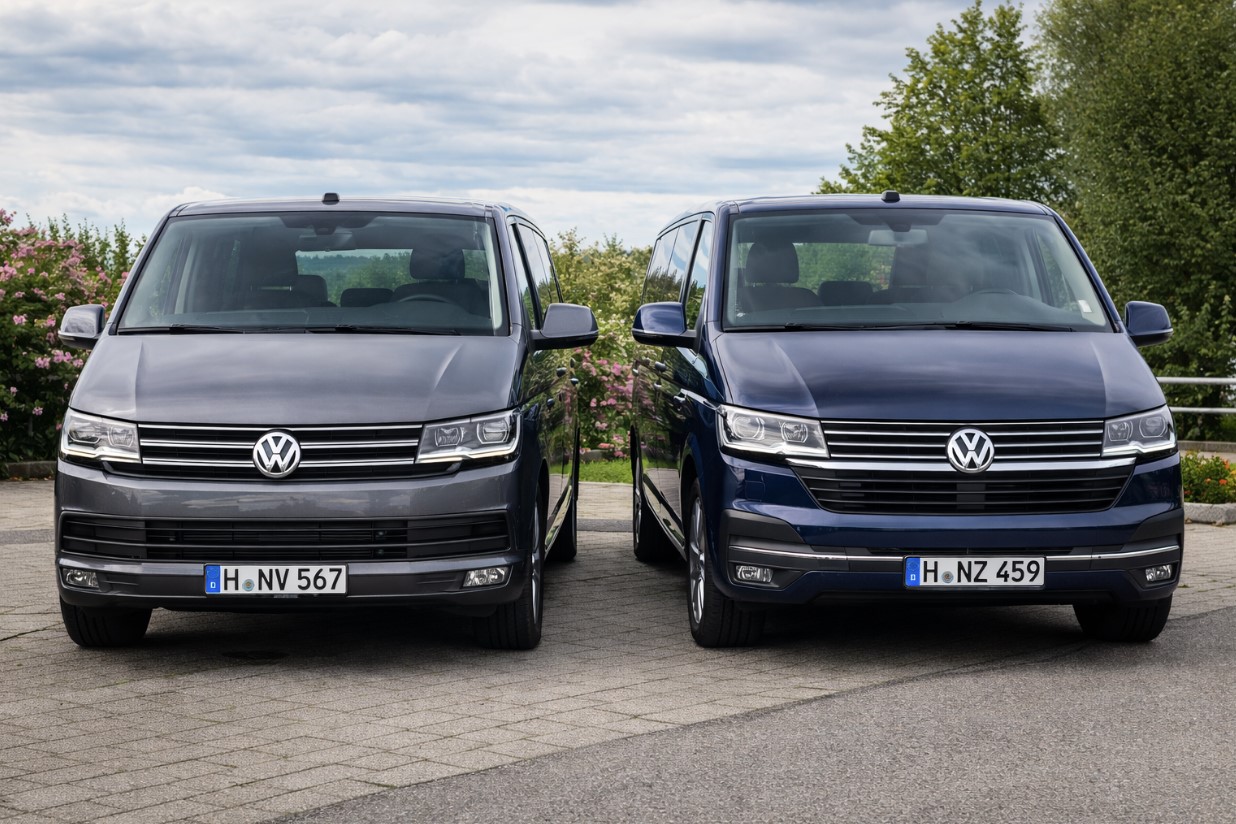
Volkswagen Multivan T6 vs T6.1: what to choose in Germany?
Practical comparison of T6 and T6.1: engines, DSG, electronics, resale value and inspection.
 Sicher-Check
If you are looking for a large family vehicle, a premium shuttle or a comfortable van for long-distance travel in Germany, one question appears again and again: Mercedes V-Class or Volkswagen Multivan?
With Mercedes, however, the decision is more complex than it looks. On the German used-car market you will find older Viano / Vito W639 models, modern V-Class W447 versions, facelifted cars, diesel engines, rare petrol variants, electric EQV versions and 4MATIC all-wheel-drive models.
At first glance, the V-Class looks like the perfect answer: premium interior, high seating position, space for the family, a prestigious badge and strong long-distance comfort. But before buying, you must understand the engines, gearboxes, body issues, electronic systems, 4MATIC risks and how the V-Class really compares with a Volkswagen Multivan.
The Mercedes V-Class is one of the most attractive large family and shuttle vehicles on the German used-car market. It combines a premium badge, comfortable seating, a high-quality cabin and serious long-distance ability.
But this is not a car to buy only with emotions. A used V-Class can be a fantastic vehicle — or an expensive repair project. The difference usually lies in maintenance history, diesel-emission systems, gearbox condition, sliding doors, interior electronics and whether the car was used privately or commercially.
Buyers often mix several different Mercedes vans into one general term: “V-Class”. In reality, the German used-car market contains different generations with very different characters.
For the period from around 2010 to 2026, the practical market is mainly split into two directions:
This distinction is crucial. A clean W639 can still be useful and attractive, but it does not offer the same interior feel, electronic architecture or premium character as a W447. At the same time, a badly maintained W447 can easily become more expensive to repair than an older but honest Viano.
| Generation | Years | What matters for buyers |
|---|---|---|
| Viano / Vito W639 | Relevant used-market years: mainly 2010–2014 | Older, more commercial in character, often cheaper, but age, rust and mileage are key risks. |
| V-Class W447 | From 2014 | More premium cabin, better comfort, more modern electronics and stronger family/shuttle appeal. |
| W447 facelift | From 2019 | Updated design, newer engines, infotainment improvements and more modern driving-assistance systems. |
| EQV | Modern electric version | Interesting for urban and corporate use, but battery condition and charging scenario must be assessed separately. |
The engine range looks wide, but in Germany the V-Class and Viano market is dominated by diesels. Petrol versions are much rarer, and electric EQV models require a completely different evaluation logic.
Older Viano models are often found with 2.2 CDI diesel engines and, in some versions, the 3.0 CDI V6. These engines shaped the reputation of the model: strong torque, good long-distance comfort, but potentially high repair costs if maintenance was neglected.
The W447 V-Class brought a more modern driving feel and newer four-cylinder diesel engines. These are the engines most buyers in Germany will see in listings. They can be efficient and pleasant, but they must be checked for emission-system issues, service intervals and overall condition.
Petrol versions exist, but they are not the typical German used-market choice. The selection is smaller, the pricing can be less predictable, and buyers should check carefully why a particular car was specified that way.
The EQV is the electric interpretation of a large passenger Mercedes. It can be attractive for urban use, hotel transfers or corporate fleets. But the inspection must focus on battery health, charging behaviour, real range, thermal management and residual value — not on the usual diesel questions.
| Version | Type | Strengths | Risks |
|---|---|---|---|
| 2.2 CDI / older diesels | Diesel | Torque, familiar mechanics, broad used-market presence | Age, mileage, corrosion, expensive consequences of poor service |
| 3.0 CDI V6 | Diesel | Smoothness, strong pull, pleasant long-distance character | Higher running costs, more expensive repairs, oil leaks and service sensitivity |
| Modern W447 four-cylinder diesels | Diesel | Good balance, efficiency, common choice in Germany | EGR, DPF, AdBlue/SCR and service-history dependence |
| Petrol versions | Petrol | Quieter, potentially attractive in rare scenarios | Rare, harder to compare, not always economical |
| EQV | Electric | Silent, smooth, good for city or corporate use | Battery, charging, range and residual value must be checked |
On a large Mercedes van, the gearbox and drivetrain matter as much as the engine. These vehicles are heavy, often fully loaded and frequently used for long trips, family transport, business transfers or shuttle work.
Depending on generation and engine, different automatic gearboxes may appear. Do not rely only on the name in the listing. During inspection, check:
4MATIC adds confidence in winter and can be useful on slippery roads. But it also adds complexity, weight and possible repair costs. If you do not really need all-wheel drive, a simpler drivetrain can be the more rational choice.
The body and interior are the reason many buyers fall in love with the V-Class. After more utilitarian vans, the Mercedes feels special: high seating position, space, comfort, better sound insulation and a premium atmosphere.
Sliding doors are extremely useful in cities and tight parking spaces. But on used vehicles, their rollers, rails, seals, electric drives and alignment must be checked. Heavy sliding doors can become expensive when they no longer move correctly.
The cabin often tells the truth about the car. Heavy seat wear, damaged rails, worn floor panels, scratched plastics or tired trim may indicate shuttle use, rental use, family abuse or commercial life — even if the odometer looks reasonable.
Rust is especially important on older W639 models. On newer W447 cars, protection is better, but the size and weight of the body still demand a proper underbody inspection. Long sills, hidden cavities, lower panels and plastic covers can hide problems.
| Area | What to inspect | Why it matters |
|---|---|---|
| Sliding doors | Movement, rollers, rails, electric drive, seals | Repair costs can be high and comfort suffers immediately |
| Sills and underbody | Rust, accident repair, underbody damage | Large vans can hide expensive structural issues |
| Interior | Seat wear, floor, rails, plastics, roof lining | Shows real use intensity better than photos |
| Comfort electronics | Climate, doors, windows, multimedia, interior lighting | Premium comfort means many systems that must work |
The V-Class has a mixed reputation. Many owners love the comfort, seating position and long-distance character. At the same time, it is a large premium Mercedes, and accumulated problems can be expensive.
The biggest mistake is buying a tired V-Class because it looks premium and is “cheap for a Mercedes”. On these vehicles, deferred maintenance can quickly turn into gearbox, engine, body, door and electronic expenses at the same time.
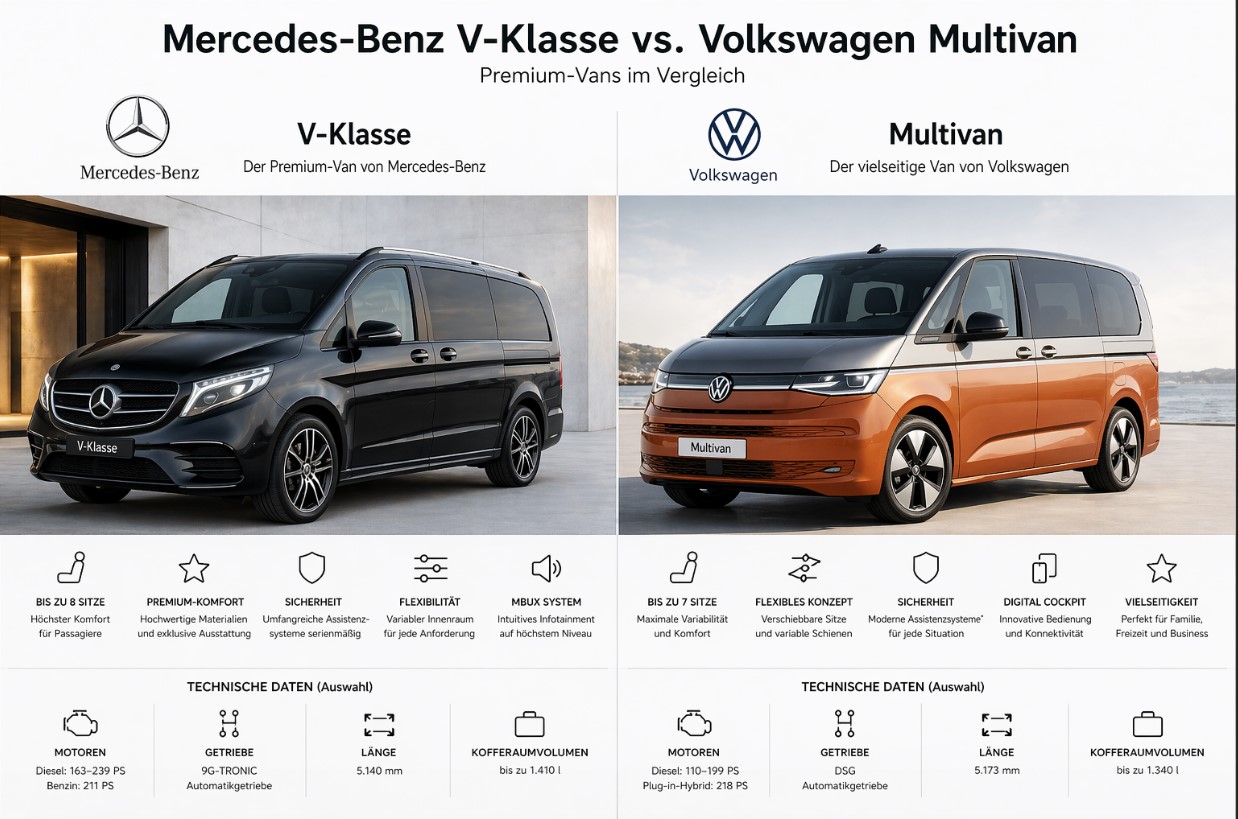
This is the key comparison for many buyers in Germany. Both vehicles can serve as family cars, travel vans, business shuttles or practical multi-purpose vehicles. But they feel different in ownership.
| Criterion | Mercedes V-Class | Volkswagen Multivan |
|---|---|---|
| Comfort and premium feel | Usually stronger | More practical, less premium |
| Image | Premium family/shuttle character | Practical family/business van character |
| Used-market logic | Requires careful inspection of every individual vehicle | Also requires inspection, but many buyers understand the market better |
| Service cost perception | Premium repair costs are more noticeable | Often perceived as more rational, depending on generation |
| Interior atmosphere | More elegant and luxurious | More modular and utility-oriented |
Advertisement / *Affiliate link
Links and banners marked with an asterisk (*) are affiliate links or affiliate banners. If you use such a link and later request an offer, sign a contract or make a purchase, we may receive a commission from the provider. For you, there are no disadvantages: the price and conditions remain the same.
Before buying a Mercedes V-Class or Viano in Germany, do not stop at a clean interior and a shiny exterior. These vehicles can hide expensive technical and usage-related issues.
When checking a Mercedes V-Class or Viano before purchase in Germany, we look at the full picture: engine, gearbox, body, sliding doors, electronics, service history, underbody and signs of commercial use.
If comfort, premium feel and cabin atmosphere are more important, the V-Class is often more attractive. If practicality, modularity and a familiar used-market logic matter more, the Multivan can be the more rational choice.
The best choice depends on your budget, driving profile and the individual car. In Germany, diesel versions with documented service history are usually the most common. The actual condition matters more than the engine badge.
Yes, if the car is clean, not heavily corroded and has a transparent history. However, due to age and mileage, W639 vehicles need especially careful inspection.
Mileage alone is not the main problem. Service history, gearbox condition, diesel-emission systems, body condition, interior wear and commercial-use signs are more important.
The biggest risk is buying a visually attractive but technically tired car. Gearbox issues, diesel-emission faults, sliding-door problems, electronics and hidden rust can become expensive quickly.
Practical comparison of T6 and T6.1: engines, DSG, electronics, resale value and inspection.
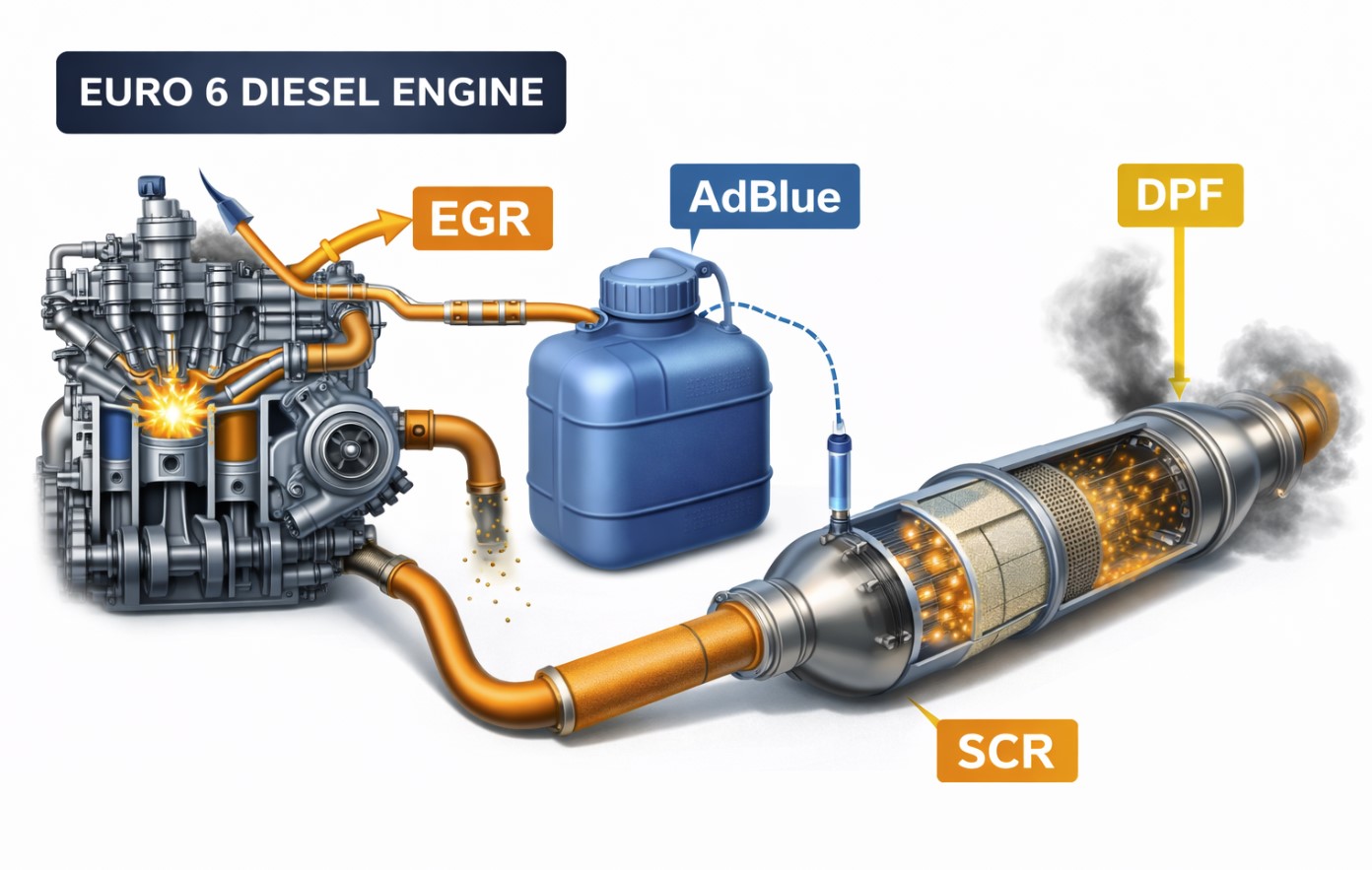
How to detect expensive diesel-emission problems before purchase.
Disclaimer:
The information on this page is provided for general informational purposes only and does not replace an individual on-site inspection, computer diagnosis or professional advice.
Despite careful preparation, we do not guarantee the accuracy, completeness or timeliness of the content.
By using the materials on this website, you act at your own risk.