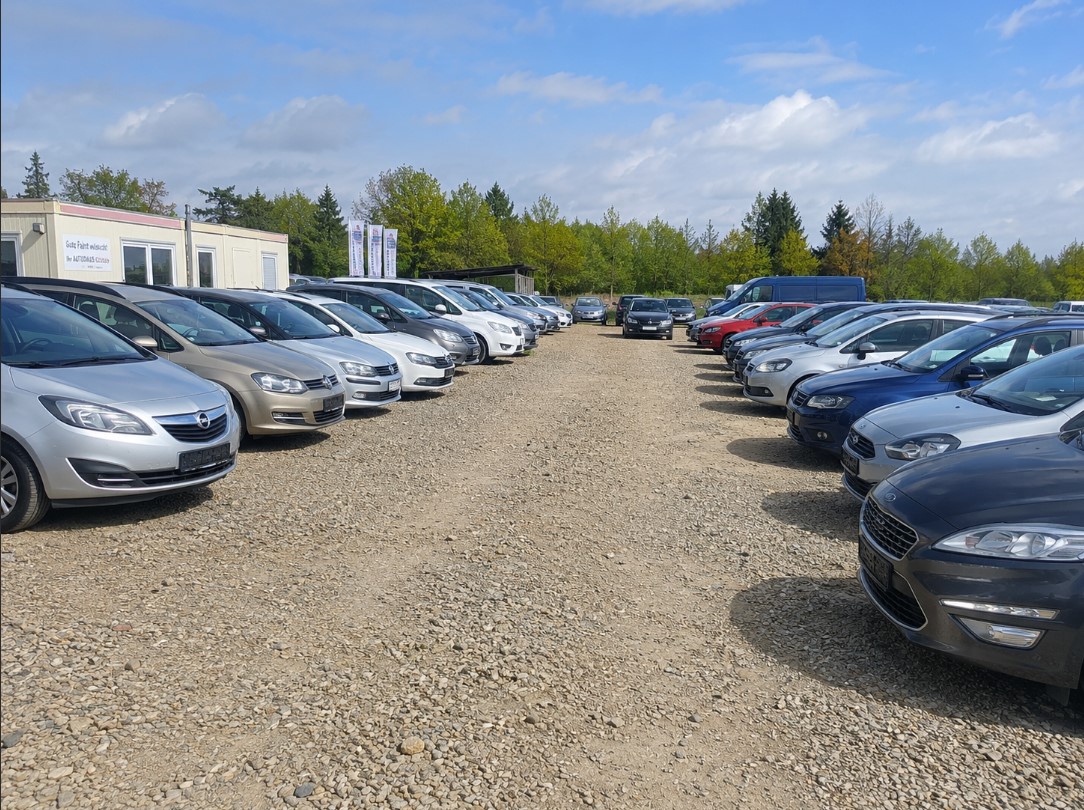
How to Avoid Expensive Mistakes When Buying a Used Car in Germany
Learn which defects buyers most often overlook and how an inspection can save thousands of euros.
 Sicher-Check
Selling a used car in Germany is not only about setting a price and uploading a few photos. Buyers compare listings quickly, ask detailed questions and often use small defects as negotiation arguments. Good pre-sale preparation can make your car look more honest, more attractive and easier to sell.
This guide explains how to prepare a car before selling it: paintwork, scratches, rust, interior, odour, lights, tyres, service documents, photos, listing text and the right level of honesty. The goal is not to hide problems, but to present the car professionally and reduce unnecessary suspicion.
In Germany, many used car buyers are careful and methodical. They compare similar listings, check the mileage, ask about service history, look at TÜV / HU validity, inspect paintwork and often arrive with a list of questions. If your listing looks incomplete, unclear or careless, the buyer will usually assume that the car itself may also have been treated carelessly.
Proper preparation helps you control the first impression. It makes the car easier to understand, reduces doubts and gives the buyer fewer reasons to push the price down. A well-prepared vehicle does not need to look perfect. It needs to look honest, clean and documented.
This is especially important if the vehicle is not cheap, has higher mileage, is a diesel Euro 6, a hybrid, an EV, a van, a 7-seater or a car with expensive options. In these categories buyers expect more information, more proof and a more professional presentation.
A buyer usually forms an opinion within seconds: the main photo, cleanliness, visible scratches, wheels, tyre condition, interior, steering wheel, seat wear and the way the listing is written. If the first impression feels careless, even a technically good car may be treated as suspicious.
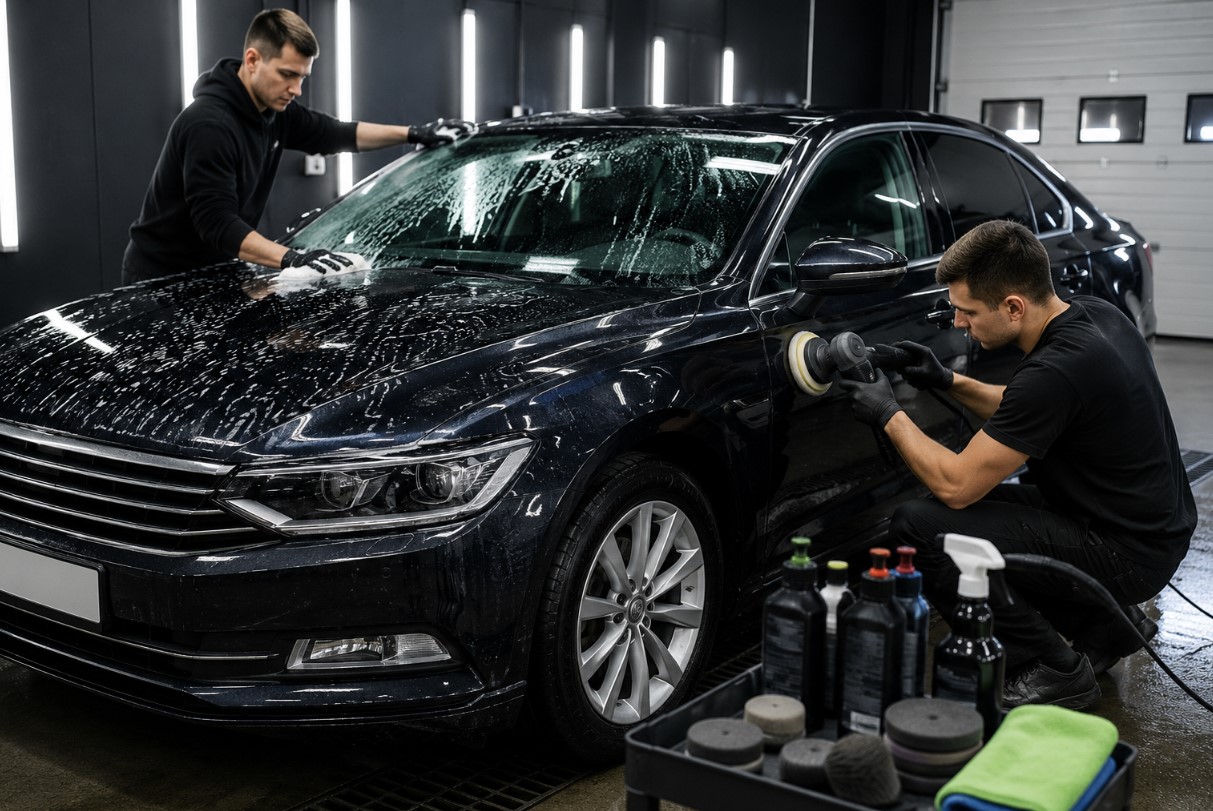
The exterior is not only about beauty. On the used car market it is also a signal of maintenance culture. Small stone chips, normal age-related marks and minor scratches are acceptable on most used cars. But rust, badly repaired paintwork, uneven panel gaps and hidden accident traces can quickly reduce trust.
Do not try to hide larger defects with wet photos, heavy filters or strategic angles. If the buyer discovers them later, trust drops immediately and the negotiation becomes aggressive. It is better to show relevant defects clearly and describe them calmly.
| Area | What to do | Why it matters |
|---|---|---|
| Paintwork | Wash, inspect, photograph visible scratches honestly | Reduces later arguments and suspicion |
| Rust | Check arches, sills, lower doors, tailgate and underbody edges | Rust is a strong price-reduction argument |
| Wheels | Clean rims and show tyre condition | Worn tyres immediately reduce perceived value |
| Lights | Check fogging, cracks and function | Modern headlights can be expensive |
| Glass | Clean windscreen and show stone chips if present | Hidden windscreen damage creates distrust |
The interior often tells more about the previous owner than the exterior. Buyers look at the steering wheel, driver’s seat, pedals, buttons, carpets, boot and smell. A clean interior suggests care. A dirty or smelly interior suggests neglect, even if the engine runs well.
Cigarette smell, pet smell, moisture smell or strong perfume can reduce buyer confidence immediately. In Germany, many buyers react strongly to odour because it can mean expensive cleaning, hidden moisture or long-term use that does not match the advertised condition.
If the car has been used by a smoker or often carried pets, it is usually better to disclose this honestly. Some buyers will refuse the car anyway, but the buyers who remain will trust you more.
Before selling, you do not need to turn an old used car into a new one. But you should know its real technical condition before the buyer discovers problems during the viewing. This is especially important if the vehicle has warning lights, weak brakes, old tyres, unstable idle, air-conditioning problems, DSG symptoms, diesel emission issues or missing service records.
A pre-sale inspection is useful because it gives you a clear picture before negotiation starts. You can decide which defects should be repaired, which should be disclosed and which can be used to set a realistic asking price.
| System | Typical buyer concern | Seller advantage if checked |
|---|---|---|
| OBD / electronics | Hidden faults, deleted codes, warning lights | You know the risk before the buyer scans the car |
| Brakes and tyres | Immediate repair costs after purchase | You can price the car more realistically |
| Engine and gearbox | Leaks, noises, DSG / automatic symptoms | Stronger position if the car is technically clean |
| Air conditioning | Expensive compressor or leakage issues | Easy trust point if it works properly |
| EV / hybrid battery | State of Health, charging errors, HV faults | Battery data improves confidence for serious buyers |
One of the fastest ways to build buyer confidence is to have all important documents ready before publishing the advertisement. A complete folder tells potential buyers that the vehicle has been maintained responsibly and that you have nothing to hide.
Missing documents do not automatically mean the car is bad, but every missing invoice or unexplained gap in the service history creates additional questions and often results in lower offers.
| Document | Why it matters | Buyer confidence |
|---|---|---|
| Zulassungsbescheinigung Teil I | Registration certificate | ★★★★★ |
| Zulassungsbescheinigung Teil II | Ownership document | ★★★★★ |
| HU / AU report | Current technical inspection | ★★★★★ |
| Service invoices | Maintenance history | ★★★★★ |
| Digital Service History | Electronic maintenance records | ★★★★★ |
| Repair invoices | Major repairs already completed | ★★★★☆ |
| Two keys | Shows completeness | ★★★★☆ |
| Owner's manuals | Professional presentation | ★★★☆☆ |
Photos sell the first appointment. The viewing sells the car. Professional photography is not required, but good daylight images taken carefully make a huge difference.
Buyers quickly recognise advertisements filled with exaggerated claims such as "perfect condition", "like new" or "best car on the market". These phrases reduce credibility.
A strong advertisement combines facts, service history and realistic descriptions. Explain what has been maintained, mention optional equipment and disclose important defects honestly.
| Avoid | Better wording |
|---|---|
| Perfect condition | Well maintained with documented service history |
| No defects | Normal age-related wear, no known major technical issues |
| Never repaired | Accident history disclosed and documented if applicable |
| First to see will buy | Viewing and inspection welcome by appointment |
One of the biggest mistakes private sellers make is choosing an asking price based purely on emotion. The market compares your vehicle with hundreds of similar cars within seconds.
If the price is significantly above comparable vehicles without clear justification, buyers simply move to another listing.
| Approach | Result |
|---|---|
| Price far above market | Few enquiries |
| Fair market price | Higher buyer interest |
| Slight negotiation margin included | Comfortable negotiations |
| Very low price | Suspicion or immediate sale |
Even technically sound vehicles often remain unsold longer than necessary because of avoidable mistakes made before the advertisement is published. Most buyers in Germany compare dozens of similar vehicles and quickly recognise listings that look incomplete or suspicious.
| Mistake | Why it hurts the sale | Better approach |
|---|---|---|
| Using only a few photos | Creates uncertainty | Upload 20–40 clear daylight photos |
| Hiding cosmetic defects | Buyer loses trust during viewing | Show defects honestly with close-up photos |
| Incomplete service history | Raises doubts about maintenance | Prepare invoices and digital records |
| Dirty interior | Suggests poor ownership | Professional cleaning or detailed vacuuming |
| Unrealistic asking price | Few enquiries | Price according to comparable vehicles |
| No VIN before viewing | Many buyers walk away | Provide VIN to serious buyers |
| Ignoring warning lights | Negotiations collapse immediately | Diagnose faults before advertising |
Before publishing your advertisement, go through this checklist. Completing every point significantly improves the quality of your listing.
| Task | Status |
|---|---|
| 🚗 Wash exterior | ☐ |
| 🧽 Clean interior | ☐ |
| 💨 Remove unpleasant odours | ☐ |
| 💡 Check all lights | ☐ |
| 🛞 Inspect tyres | ☐ |
| 🛠 Read OBD fault codes | ☐ |
| 📄 Prepare registration documents | ☐ |
| 📚 Collect service invoices | ☐ |
| 🔑 Prepare both keys | ☐ |
| 📷 Take quality photographs | ☐ |
| ✍ Write an honest description | ☐ |
| 💶 Compare market prices | ☐ |
A professional pre-sale inspection is useful not only for buyers but also for sellers. It provides an independent overview of the vehicle's condition before negotiations begin.
Knowing the technical condition in advance allows you to:
| Inspection | Includes |
|---|---|
| Vehicle condition assessment | Exterior, interior and visible technical condition |
| OBD diagnostics | Reading fault codes and electronic systems |
| Paint measurement | Identification of previous repainting |
| Photo documentation | Professional report for buyers |
| Independent opinion | Objective summary of strengths and weaknesses |
Advertisement / *Affiliate Link
Links or banners marked with an asterisk (*) are affiliate links. If you purchase a service through one of these links, we may receive a commission from the provider. Your price does not change.
Not necessarily. Safety-related defects, warning lights and obvious technical problems should usually be addressed. Minor cosmetic imperfections are often better disclosed honestly than repaired cheaply, especially if the repair quality may raise additional questions.
Professional detailing rarely increases the actual market value, but it often improves the first impression and helps the vehicle sell faster. Buyers are generally more willing to inspect a clean, well-presented car than one that appears neglected.
Yes, to serious buyers. Providing the VIN allows potential buyers to verify compatibility, maintenance records and perform history checks. Refusing to provide it without a valid reason often creates unnecessary suspicion.
Yes. An independent inspection demonstrates transparency, answers many technical questions before negotiations begin and gives buyers greater confidence in the advertised condition.
Mention the most noticeable imperfections and include clear photographs. Honest disclosure helps avoid disappointment during the viewing and usually leads to smoother negotiations.
Learn which defects buyers most often overlook and how an inspection can save thousands of euros.

Even brand-new vehicles deserve a careful inspection before acceptance and registration.
Disclaimer
The information provided in this article is intended solely for general educational
and informational purposes.
Although every effort has been made to ensure accuracy,
no guarantee is given regarding the completeness, correctness or current validity
of the information presented.
Vehicle condition, maintenance history and legal requirements vary from one vehicle
to another.
A professional inspection should always be carried out before buying or selling
a used vehicle.
Sicher-Check accepts no liability for financial losses, repair costs or purchasing
decisions made solely on the basis of this publication.