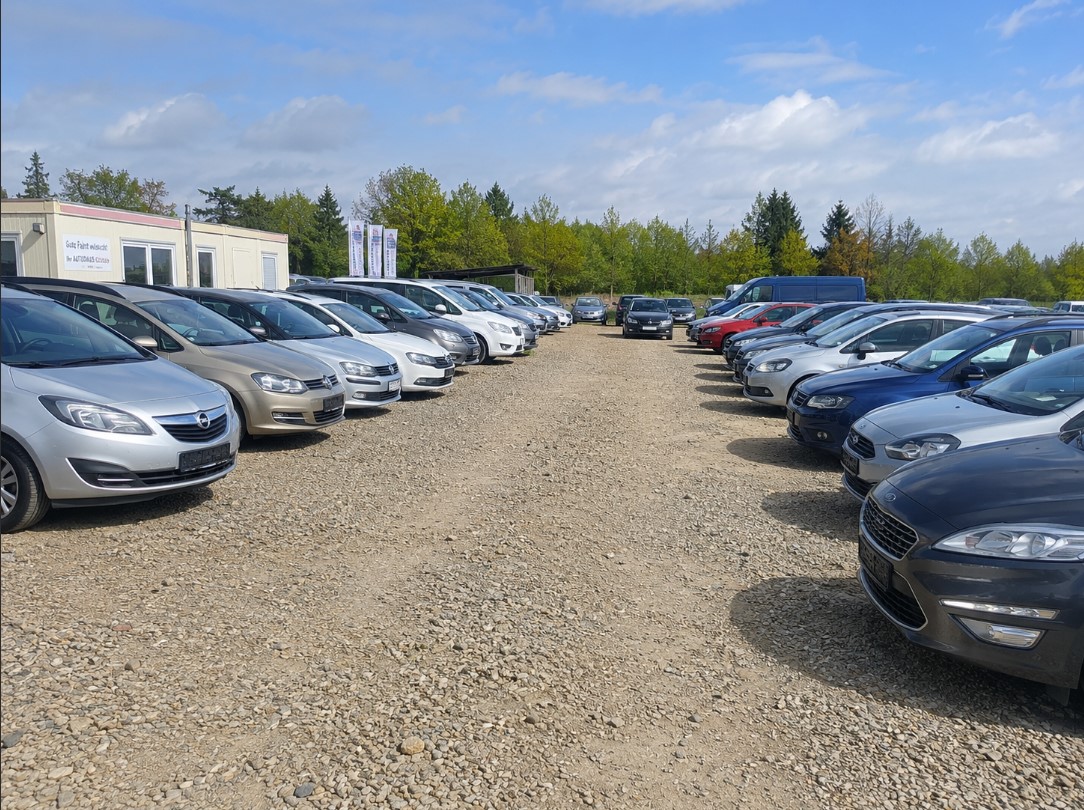
Buying Your First Car in Germany
Practical advice for first-time buyers, paperwork, registration and common mistakes.
 Sicher-Check
Buying a used car in Germany can look safe from the outside: clean adverts, professional photos, fresh TÜV, neat service entries and polite sellers. But the real risk is usually not visible in the first ten minutes. Hidden accident repairs, weak engines, worn DSG gearboxes, DPF and AdBlue problems, mileage inconsistencies and expensive future repairs often appear only after the contract has already been signed.
This guide explains how to reduce those risks before you buy: which documents to check, how to verify VIN and mileage, what to look for in the bodywork, why OBD diagnostics matter, how to structure a test drive and when an independent pre-purchase inspection is worth more than a quick discount.
🔎 Key idea: a used car is not “safe” because the advert looks good. It becomes safer only after the documents, VIN, mileage, bodywork, diagnostics, test drive and future repair risks have been checked together.
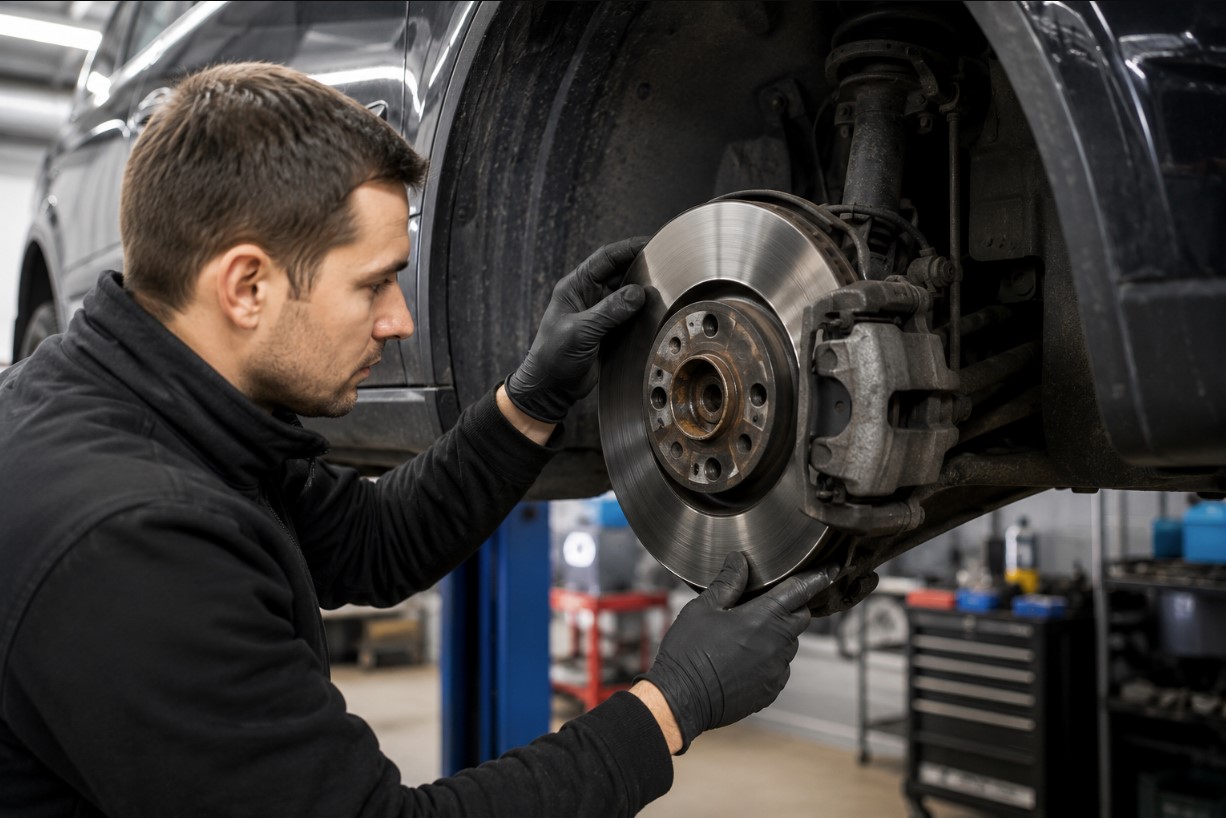
Germany has a reputation for well-maintained cars, strict technical inspections and transparent paperwork. While this reputation is partly deserved, it also creates a false sense of security. Many international buyers assume that every vehicle offered by a dealer or private seller must automatically be in good condition.
Reality is more complicated. Cars are still involved in accidents, repaired with different quality standards, driven with neglected maintenance schedules and sometimes sold shortly before expensive repairs become unavoidable. A clean interior, fresh TÜV certificate or digital service history cannot reveal everything.
Most costly mistakes happen because buyers focus on only one aspect of the vehicle. Some trust mileage, others trust the service history, while some rely only on an online vehicle history report. A professional assessment combines all available information before making a decision.
⚠️ Important: There is no single document that proves a used car is "good". Only the combination of documentation, diagnostics, body inspection, electronics, road test and maintenance history creates a realistic picture.
Before driving hundreds of kilometres to inspect a vehicle, ask the seller for the essential documents. Serious sellers normally provide them without hesitation. If someone refuses to share basic information, it is often better to continue searching rather than wasting time and travel expenses.
| Document | Why it matters | Warning signs |
|---|---|---|
| VIN / Vehicle Identification Number | Allows verification of history and documentation | Seller refuses to provide VIN before viewing |
| Registration documents | Confirms ownership and technical details | Copies missing or inconsistent |
| Service history | Shows maintenance chronology | Large gaps or missing years |
| TÜV (HU/AU) | Shows previous inspection results | Repeated advisories or mileage inconsistencies |
| Repair invoices | Confirm major maintenance work | No invoices for expensive components |
💡 Practical advice: A trustworthy seller usually answers technical questions clearly and provides documentation before you arrive. Hesitation, vague answers or repeated excuses deserve additional caution.
The Vehicle Identification Number (VIN) is one of the most valuable pieces of information when evaluating a used car. It connects the physical vehicle with its documentation, maintenance history and many available databases.
Never rely solely on the VIN shown in an online advertisement. During the inspection, compare the VIN in several independent locations to ensure they all match perfectly.
| Location | Purpose | Possible Warning |
|---|---|---|
| Registration documents | Legal vehicle identity | Incorrect or altered information |
| Dashboard (windshield) | Main visible VIN | Scratches or replacement plate |
| Manufacturer plate | Factory identification | Loose rivets or repainting |
| Body stamping | Permanent identification | Grinding, welding or corrosion |
| OBD diagnostic data | Electronic verification | VIN mismatch between modules |
❗ Never ignore a VIN inconsistency. Even a small discrepancy deserves investigation before signing any purchase contract.
Many buyers believe that a stamped service book automatically guarantees a reliable vehicle. Unfortunately, maintenance records are only one part of the overall picture.
Today many manufacturers use electronic service records instead of paper books. Digital history is generally more reliable than handwritten stamps, but it still cannot reveal hidden accident repairs, poor-quality maintenance or mechanical wear.
| Good Signs | Warning Signs |
|---|---|
| Consistent annual servicing | Several missing years |
| Invoices match maintenance records | No invoices available |
| Dealer or reputable workshop | Unknown workshops only |
| Logical mileage progression | Sudden mileage inconsistencies |
| Large repairs documented | Major repairs mentioned without proof |
Modern mileage fraud is often much more sophisticated than simply changing the dashboard reading. Some vehicles store mileage information in several electronic control units, making professional diagnostics an essential part of the inspection.
Compare the displayed mileage with:
💡 Professional Tip: A perfectly clean steering wheel in a vehicle showing 320,000 km is just as suspicious as heavily worn pedals in a car advertised with only 70,000 km. Documentation should always correspond with the physical condition of the vehicle.
The body is often the most expensive part of a used vehicle to repair correctly. Mechanical components can usually be replaced, but poorly repaired structural damage may permanently affect safety, corrosion resistance and resale value.
Modern accident repairs can look almost invisible in photographs. Fresh polishing, professional lighting and attractive advertising images often hide repainting, filler, poorly aligned panels and structural repairs. That is why every serious inspection should include a paint thickness measurement and careful examination of body panel alignment.
| Measurement | Typical Interpretation |
|---|---|
| 80–180 μm | Usually factory paint (varies by manufacturer) |
| 180–300 μm | Possible repaint |
| 300–600 μm | Body filler likely present |
| Above 600 μm | Major body repair is highly likely |
⚠️ Remember: Accident history is not automatically a reason to reject a vehicle. What matters is the quality of the repair, whether structural elements were affected and whether the seller disclosed the damage honestly.
Modern vehicles are significantly more complex than they were fifteen years ago. Even if the engine starts smoothly and drives well during a short test, hidden problems may already exist inside the engine management system, transmission or emissions equipment.
A cold engine tells a much more accurate story than one that has already been warmed up before your arrival. Always try to inspect the vehicle before it has been started for the day.
Automatic gearboxes and DSG transmissions are among the most expensive components to repair after purchase. Smooth operation during every gear change is far more important than a polished exterior.
| Check | Why it matters |
|---|---|
| Cold shifting | Early clutch or hydraulic problems |
| Hot shifting | Oil pressure and valve body condition |
| Reverse engagement | Internal wear detection |
| Kick-down response | Transmission adaptation quality |
| Service history | Gearbox oil replacement confirmation |
Diesel vehicles equipped with a particulate filter require regular regeneration. Cars driven mainly on short journeys often develop clogged DPF systems, resulting in expensive repairs.
During diagnostics, check:
Modern Euro 6 diesel vehicles rely on SCR systems using AdBlue. Failures of NOx sensors, pumps, injectors or heaters are common and can lead to expensive repairs or even prevent the engine from starting after a countdown.
💶 Future Cost Alert: Turbochargers, dual-mass flywheels, DSG gearboxes, DPF systems, AdBlue components and injectors can each cost thousands of euros. A proper inspection before purchase is usually much cheaper than repairing just one of these components afterwards.
One of the biggest mistakes buyers make is assuming that if no warning lights are illuminated, the vehicle must be mechanically healthy. Modern cars can store hundreds of diagnostic trouble codes without displaying a single dashboard warning.
A professional diagnostic scan reads every available control module rather than checking only the engine ECU. This provides a much more complete picture of the vehicle's technical condition.
| Control Module | Typical Issues |
|---|---|
| Engine ECU | Misfires, boost pressure, injector faults, emissions |
| Automatic / DSG Transmission | Clutch wear, hydraulic pressure, adaptation faults |
| ABS / ESP | Wheel speed sensors, hydraulic pump problems |
| Airbag System | Crash history, seat occupancy sensors |
| Climate Control | Flap motors, pressure sensors, compressor faults |
| Body Electronics | Lighting, central locking, electrical faults |
| Parking Assistance | Camera and parking sensor failures |
| Hybrid / EV Systems | Battery condition, charging faults |
💡 Professional Advice: Reading fault codes is only the first step. Live sensor data, freeze-frame information and adaptation values often reveal far more than the diagnostic code itself.
A proper test drive is one of the most effective ways to identify expensive problems before purchase. Five minutes around the neighbourhood are rarely enough to evaluate a modern vehicle.
| Symptom | Possible Cause |
|---|---|
| Vibration while braking | Warped brake discs or suspension issues |
| Delayed gear changes | DSG or automatic transmission wear |
| Steering pulls to one side | Alignment or accident damage |
| Whistling under acceleration | Turbocharger or intake leak |
| Excessive smoke | Engine or DPF problems |
| Clunking over bumps | Suspension wear |
Many buyers negotiate only the purchase price while ignoring the maintenance budget required during the first one or two years of ownership.
Even an apparently inexpensive vehicle can become significantly more expensive than a better-maintained example once repairs begin.
| Component | Potential Cost Level | Inspection Importance |
|---|---|---|
| Automatic / DSG gearbox | ★★★★★ | Critical |
| Turbocharger | ★★★★★ | Critical |
| DPF system | ★★★★☆ | Very High |
| AdBlue / SCR system | ★★★★☆ | Very High |
| Timing chain or timing belt | ★★★★☆ | Very High |
| Suspension | ★★★☆☆ | High |
| Air conditioning system | ★★★☆☆ | Medium |
When comparing two similar vehicles, the one costing €1,500 more but requiring no immediate repairs may actually be the cheaper choice over the next several years.
🚨 Common Buyer Mistake: Purchasing the cheapest available example of a desirable model often results in the highest total ownership cost.
Even experienced buyers cannot inspect every technical detail during a short visit. Modern vehicles contain dozens of electronic control units, complex safety systems, turbocharged engines, automatic gearboxes and sophisticated emissions equipment.
An independent inspection provides an objective opinion before money changes hands. Unlike the seller, an independent inspector has no financial interest in completing the sale and focuses entirely on identifying technical risks.
| Inspection Area | Purpose |
|---|---|
| VIN & Documentation | Verify identity and ownership |
| Bodywork Inspection | Detect accident repairs and repainting |
| Paint Thickness Measurement | Identify filler and repaired panels |
| OBD Diagnostics | Read fault codes and live data |
| Engine Inspection | Leaks, noises, smoke and wear |
| Transmission Check | Automatic / DSG condition |
| Suspension & Brakes | Mechanical wear evaluation |
| Road Test | Overall vehicle behaviour |
| Photo & Video Report | Clear documentation for the buyer |
| Purchase Recommendation | Buy / Negotiate / Walk Away |
💡 Independent advice often saves more than it costs. Discovering one hidden gearbox fault or serious accident repair before signing the contract can save thousands of euros.
Before making your final decision, work through every important point. Missing just one of them can turn an attractive purchase into an expensive mistake.
| ✔ | Inspection Item | Status |
|---|---|---|
| 1 | VIN verified | ☐ |
| 2 | Registration documents checked | ☐ |
| 3 | Service history reviewed | ☐ |
| 4 | TÜV reports checked | ☐ |
| 5 | Repair invoices verified | ☐ |
| 6 | Mileage consistency confirmed | ☐ |
| 7 | Paint thickness measured | ☐ |
| 8 | Body alignment inspected | ☐ |
| 9 | Underside checked | ☐ |
| 10 | Engine inspected cold | ☐ |
| 11 | OBD diagnostics completed | ☐ |
| 12 | Transmission evaluated | ☐ |
| 13 | DPF / AdBlue checked | ☐ |
| 14 | Suspension inspected | ☐ |
| 15 | Brake system checked | ☐ |
| 16 | Test drive completed | ☐ |
| 17 | Future repair costs estimated | ☐ |
| 18 | Purchase decision based on facts | ☐ |
❗ Never let emotions replace inspection. A vehicle may look perfect in photographs while hiding expensive mechanical or structural problems underneath.
We provide independent pre-purchase vehicle inspections throughout Berlin, Brandenburg and across Germany.
Our inspection combines documentation review, VIN verification, body inspection, paint thickness measurements, professional OBD diagnostics, road testing and an easy-to-understand technical report.
Advertisement / *Affiliate Link
Links marked with an asterisk (*) are affiliate links. If you purchase a product or service through these links, we may receive a commission from the provider. Your price does not change.
Practical advice for first-time buyers, paperwork, registration and common mistakes.
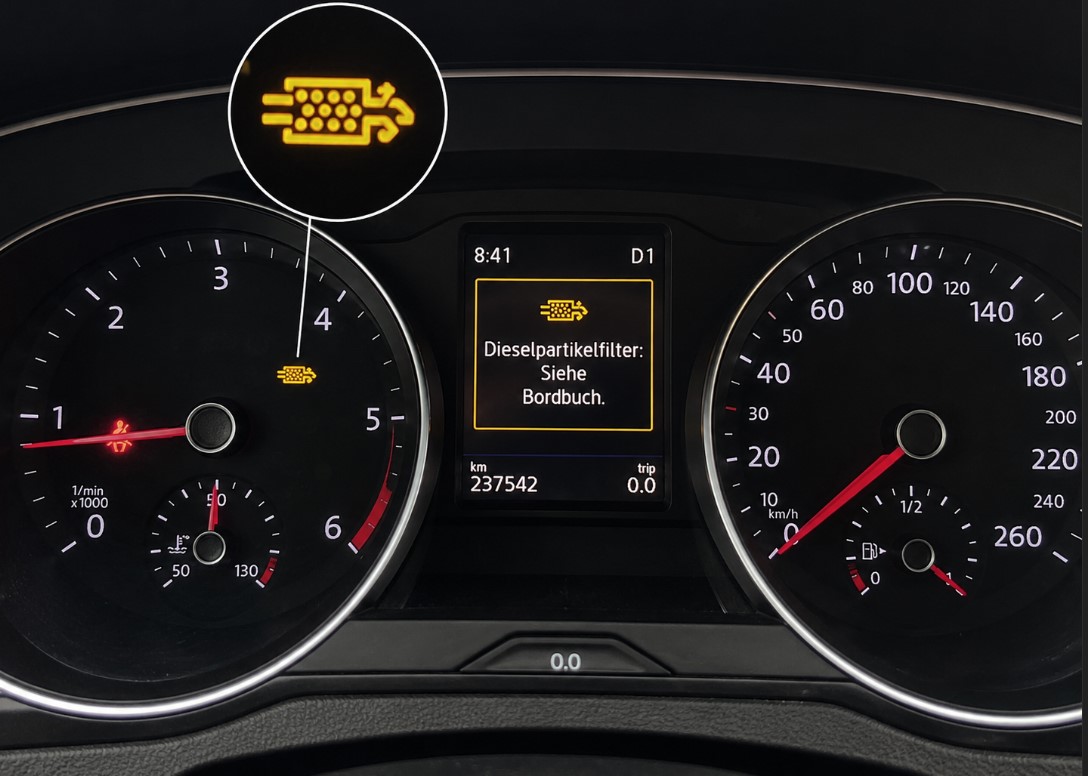
Why a professional inspection often saves much more than it costs.
No. TÜV mainly confirms roadworthiness at the time of inspection. It does not replace a full pre-purchase inspection, OBD diagnostics, paint measurement, service history review or test drive.
Only after verification. Always check paint thickness, panel gaps, bolts, welding marks, documents and vehicle history. “Accident-free” in an advert is not enough.
No. A history report can be useful, but it cannot inspect the current technical condition, engine, gearbox, chassis, brakes or hidden fresh repairs.
They fall in love with the car before checking it properly. The safest approach is to inspect first, decide later.
Yes. We inspect vehicles in Berlin, Brandenburg and across Germany, depending on distance, schedule and inspection scope.
Final advice: never buy a used car in Germany based only on photos, seller promises or a fresh TÜV. A proper inspection before signing the contract is the safest way to reduce financial risk.
Disclaimer:
The information in this article is provided for general informational
purposes only and does not replace an individual vehicle inspection,
technical diagnosis, legal advice or professional consultation on site.
Despite careful preparation, we do not guarantee the accuracy,
completeness or timeliness of the information. Vehicle condition,
market prices, legal requirements and technical risks may change over time.
You use this information at your own risk.
A pre-purchase inspection is a non-invasive visual, functional and diagnostic assessment at the time of inspection. Hidden defects, faults requiring disassembly or problems that appear later cannot be fully excluded.