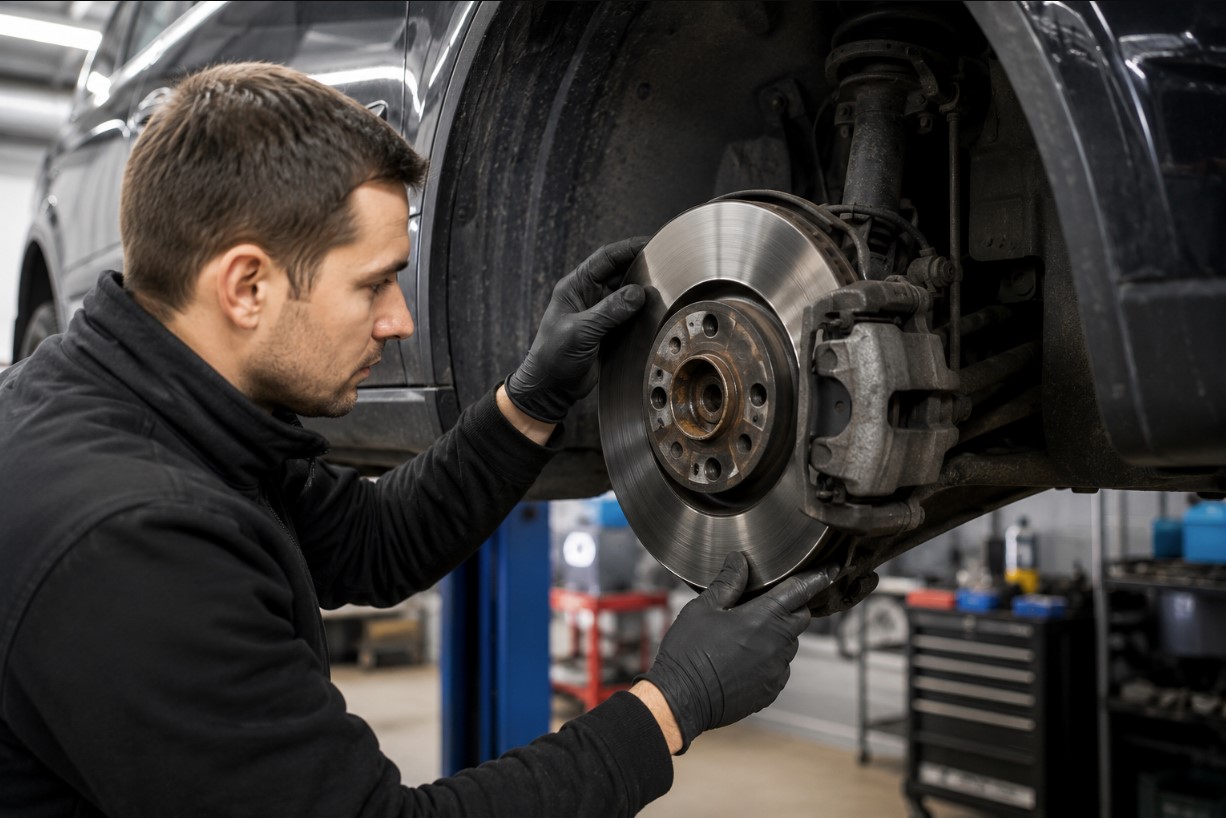
How to Minimize Risks When Buying a Used Car in Germany
Documents, VIN, mileage, bodywork, engine, OBD diagnostics and real future costs.
 Sicher-Check
Good photos for a car advert are no longer just a “nice extra”. They are a core part of the sale. A buyer first sees the photos, and only then decides whether to open the listing, contact the seller, ask for more images or move on to the next vehicle.
For the seller, a proper photo set brings more serious enquiries, reduces wasted viewings and builds trust. For the buyer, good photos help understand what is actually being sold: bodywork, interior, boot, engine bay, mileage, documents, tyres and visible defects.
The goal is not to make the car look better than it really is. The correct strategy in Germany is simple: show the vehicle honestly, without hiding defects, misleading angles, excessive editing or unnecessary personal data.
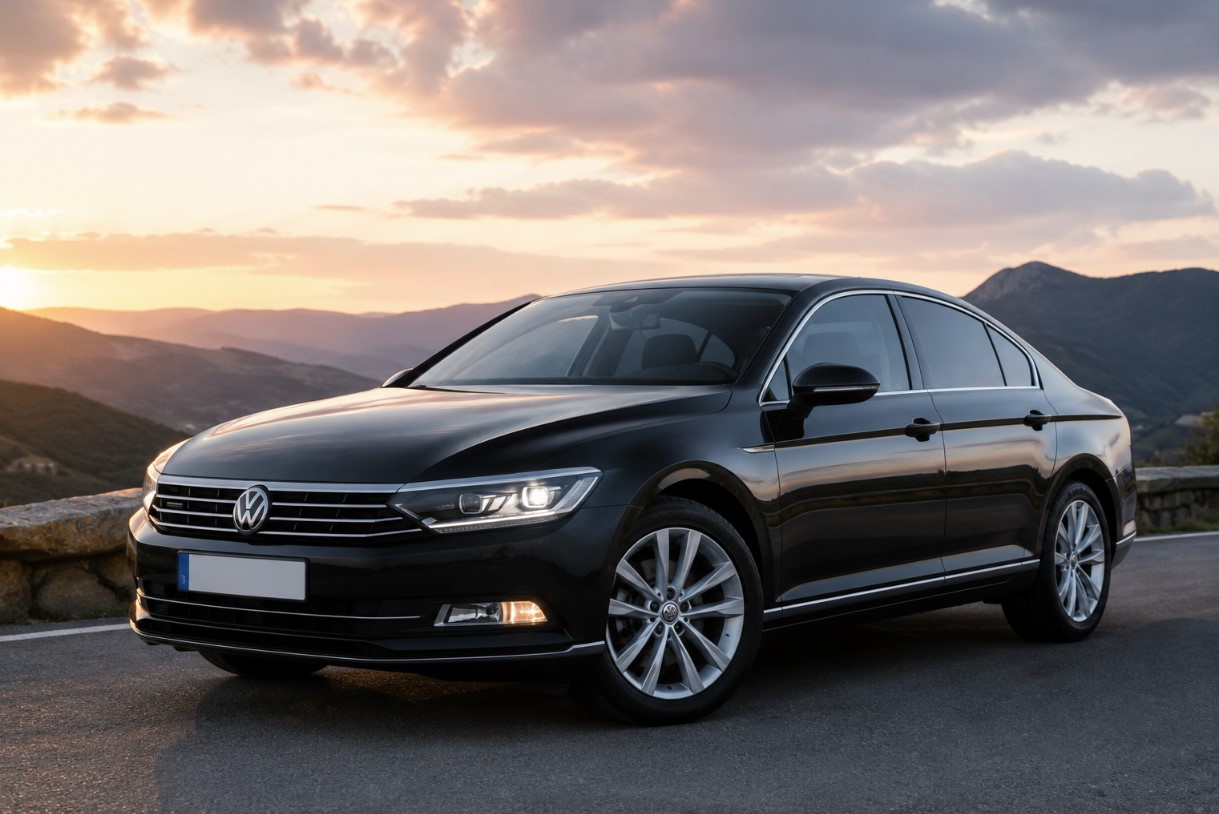
If you want to sell a car on German platforms such as Mobile.de or AutoScout24, the basic logic is simple: photos must be attractive, but they also must be informative. A buyer wants to see the real condition of the specific vehicle, not a vague advertising image with missing details.
A strong listing needs a clean vehicle, a neutral background, sharp images, a complete exterior walkaround, interior photos, boot, engine bay, mileage, wheels, lights, service documents and honest close-ups of defects.
✅ Practical rule: take 20–30 honest photos and then choose the strongest ones for the advert. Keep additional images ready to send to serious buyers on request.
⚠ Avoid misleading images: old photos, catalogue pictures without explanation, excessive retouching, hidden defects, cropped problem areas or angles that deliberately hide damage.
Most buyers decide whether to view a car based on the photos. A good photo set saves time for both sides: the seller gets fewer random calls, and the buyer can filter out unsuitable vehicles before travelling.
Photos are only the first step. They can build trust, but they cannot replace technical diagnostics, document checks or a test drive.
📋 Recommended selling and buying sequence
💡 This sequence is one of the safest ways to handle a used car deal in Germany today.
The most common seller mistake is to take a few attractive pictures and assume that this is enough. In practice, the buyer needs a complete understanding of the car before travelling to see it.
A good photo set answers three questions immediately:
| Photo | What to capture | Why it matters |
|---|---|---|
| 📸 Main photo | 45° front view, full car visible | First buyer impression |
| 🚗 Rear angle | 45° rear view | Overall body condition |
| ➡ Right side | Full right profile | Body geometry |
| ⬅ Left side | Full left profile | Compare both sides |
| 🔦 Front section | Bumper, grille, bonnet | Damage and panel gaps |
| 🚘 Rear section | Tailgate and rear lights | Repair traces |
| 🛞 Front wheel | Rim and tyre close-up | Wheel and tyre wear |
| 🛞 Rear wheel | Second wheel close-up | Uneven wear check |
| 💡 Headlight | Close-up | Chips, cracks, condensation |
| 💡 Rear light | Close-up | Plastic damage |
| ⚙ Engine bay | Under the bonnet | General engine condition |
| 🧳 Boot | Fully open boot | Floor, side panels and volume |
| 🪑 Front cabin | Cockpit view | Equipment overview |
| 💺 Front seats | Both seats close up | Wear and damage |
| 👨👩👧 Rear row | Full rear bench | Important for family cars |
| 🎛 Dashboard | Steering wheel and instruments | Interior wear |
| 📈 Odometer | Mileage close-up | Mileage confirmation |
| 📺 Multimedia | Navigation / screen | Equipment proof |
| 🔢 VIN area | VIN partially covered | Preparation for checks |
| 📚 Service | Service book and invoices | Maintenance history |
| ❗ Damage | Every scratch separately | Trust and transparency |
| 🔧 Sills / underside | Risk areas | Corrosion and repair signs |
Even an expensive car can look bad if the photos are taken in a cramped courtyard, under harsh midday sun or next to rubbish containers.
Morning or evening. Soft light shows the body shape and reduces reflections.
An empty parking area, quiet industrial zone or plain wall.
Slightly below eye level. The car looks more natural and more dimensional.
Heavy filters, exaggerated HDR, strong reflections, deep shadows and distracting backgrounds.
⚠ Do not try to hide defects with clever light. The buyer will see them during the viewing anyway.
| What to do | Why it matters |
|---|---|
| 🚿 Wash the car | Photos become cleaner and more informative |
| 🧹 Clean the interior | Nothing distracts from the car’s condition |
| 🔒 Cover the number plate | Protects against possible misuse |
| 📸 Take 20–30 photos | You can select the strongest images later |
| ❗ Show all visible defects | Fewer conflicts during the viewing |
| 📚 Prepare service history | Increases buyer trust |
| What to look for | Why it matters |
|---|---|
| Full exterior photo set | Easier to judge body geometry |
| Interior and boot photos | Shows general vehicle condition |
| Engine bay | First impression of technical care |
| Odometer | Checks mileage against description |
| Service documents | Supports the maintenance story |
| Photos of defects | Shows seller transparency |
If you want to sell a car on German platforms such as Mobile.de or AutoScout24, the basic logic is simple: photos must be attractive, but they also must be informative. A buyer wants to see the real condition of the specific vehicle, not a vague advertising image with missing details.
A strong listing needs a clean vehicle, a neutral background, sharp images, a complete exterior walkaround, interior photos, boot, engine bay, mileage, wheels, lights, service documents and honest close-ups of defects.
✅ Practical rule: take 20–30 honest photos and then choose the strongest ones for the advert. Keep additional images ready to send to serious buyers on request.
⚠ Avoid misleading images: old photos, catalogue pictures without explanation, excessive retouching, hidden defects, cropped problem areas or angles that deliberately hide damage.
Most buyers decide whether to view a car based on the photos. A good photo set saves time for both sides: the seller gets fewer random calls, and the buyer can filter out unsuitable vehicles before travelling.
Photos are only the first step. They can build trust, but they cannot replace technical diagnostics, document checks or a test drive.
📋 Recommended selling and buying sequence
💡 This sequence is one of the safest ways to handle a used car deal in Germany today.
The most common seller mistake is to take a few attractive pictures and assume that this is enough. In practice, the buyer needs a complete understanding of the car before travelling to see it.
A good photo set answers three questions immediately:
| Photo | What to capture | Why it matters |
|---|---|---|
| 📸 Main photo | 45° front view, full car visible | First buyer impression |
| 🚗 Rear angle | 45° rear view | Overall body condition |
| ➡ Right side | Full right profile | Body geometry |
| ⬅ Left side | Full left profile | Compare both sides |
| 🔦 Front section | Bumper, grille, bonnet | Damage and panel gaps |
| 🚘 Rear section | Tailgate and rear lights | Repair traces |
| 🛞 Front wheel | Rim and tyre close-up | Wheel and tyre wear |
| 🛞 Rear wheel | Second wheel close-up | Uneven wear check |
| 💡 Headlight | Close-up | Chips, cracks, condensation |
| 💡 Rear light | Close-up | Plastic damage |
| ⚙ Engine bay | Under the bonnet | General engine condition |
| 🧳 Boot | Fully open boot | Floor, side panels and volume |
| 🪑 Front cabin | Cockpit view | Equipment overview |
| 💺 Front seats | Both seats close up | Wear and damage |
| 👨👩👧 Rear row | Full rear bench | Important for family cars |
| 🎛 Dashboard | Steering wheel and instruments | Interior wear |
| 📈 Odometer | Mileage close-up | Mileage confirmation |
| 📺 Multimedia | Navigation / screen | Equipment proof |
| 🔢 VIN area | VIN partially covered | Preparation for checks |
| 📚 Service | Service book and invoices | Maintenance history |
| ❗ Damage | Every scratch separately | Trust and transparency |
| 🔧 Sills / underside | Risk areas | Corrosion and repair signs |
Even an expensive car can look bad if the photos are taken in a cramped courtyard, under harsh midday sun or next to rubbish containers.
Morning or evening. Soft light shows the body shape and reduces reflections.
An empty parking area, quiet industrial zone or plain wall.
Slightly below eye level. The car looks more natural and more dimensional.
Heavy filters, exaggerated HDR, strong reflections, deep shadows and distracting backgrounds.
⚠ Do not try to hide defects with clever light. The buyer will see them during the viewing anyway.
| What to do | Why it matters |
|---|---|
| 🚿 Wash the car | Photos become cleaner and more informative |
| 🧹 Clean the interior | Nothing distracts from the car’s condition |
| 🔒 Cover the number plate | Protects against possible misuse |
| 📸 Take 20–30 photos | You can select the strongest images later |
| ❗ Show all visible defects | Fewer conflicts during the viewing |
| 📚 Prepare service history | Increases buyer trust |
| What to look for | Why it matters |
|---|---|
| Full exterior photo set | Easier to judge body geometry |
| Interior and boot photos | Shows general vehicle condition |
| Engine bay | First impression of technical care |
| Odometer | Checks mileage against description |
| Service documents | Supports the maintenance story |
| Photos of defects | Shows seller transparency |
Advertisement / *Affiliate link
Links and banners marked with an asterisk (*) are affiliate links. If you use such a link and, for example, purchase a report or service, we may receive a commission from the provider. For you, nothing changes: the price and conditions remain the same.
Yes. A vehicle can have no recorded accidents while still suffering from severe engine wear, transmission problems, turbocharger failure, suspension damage, electronic faults, or a manipulated service history. Accident history is only one part of a complete pre-purchase inspection.
Not always. Many dealerships perform only a basic visual inspection. An independent inspection focuses on paint measurements, fault-code diagnostics, underbody condition, service documentation, previous repairs, and real technical condition rather than sales preparation.
No. OBD diagnostics reveal stored and active fault codes, but they cannot detect poor-quality body repairs, rust hidden beneath plastic covers, worn suspension components, leaking dampers, or paintwork defects. Diagnostics should always be combined with a complete physical inspection.
Absolutely. A digital service record confirms maintenance entries but does not prove the current mechanical condition of the vehicle. Hidden accident repairs, transmission issues, DPF problems, oil leaks, or excessive wear can still be present despite an apparently perfect service history.
In most cases, yes. An independent inspection often prevents buyers from travelling hundreds of kilometres to see a vehicle that is unsuitable, overpriced, or has serious hidden defects. The inspection cost is usually much lower than the expense of buying the wrong vehicle.
Documents, VIN, mileage, bodywork, engine, OBD diagnostics and real future costs.
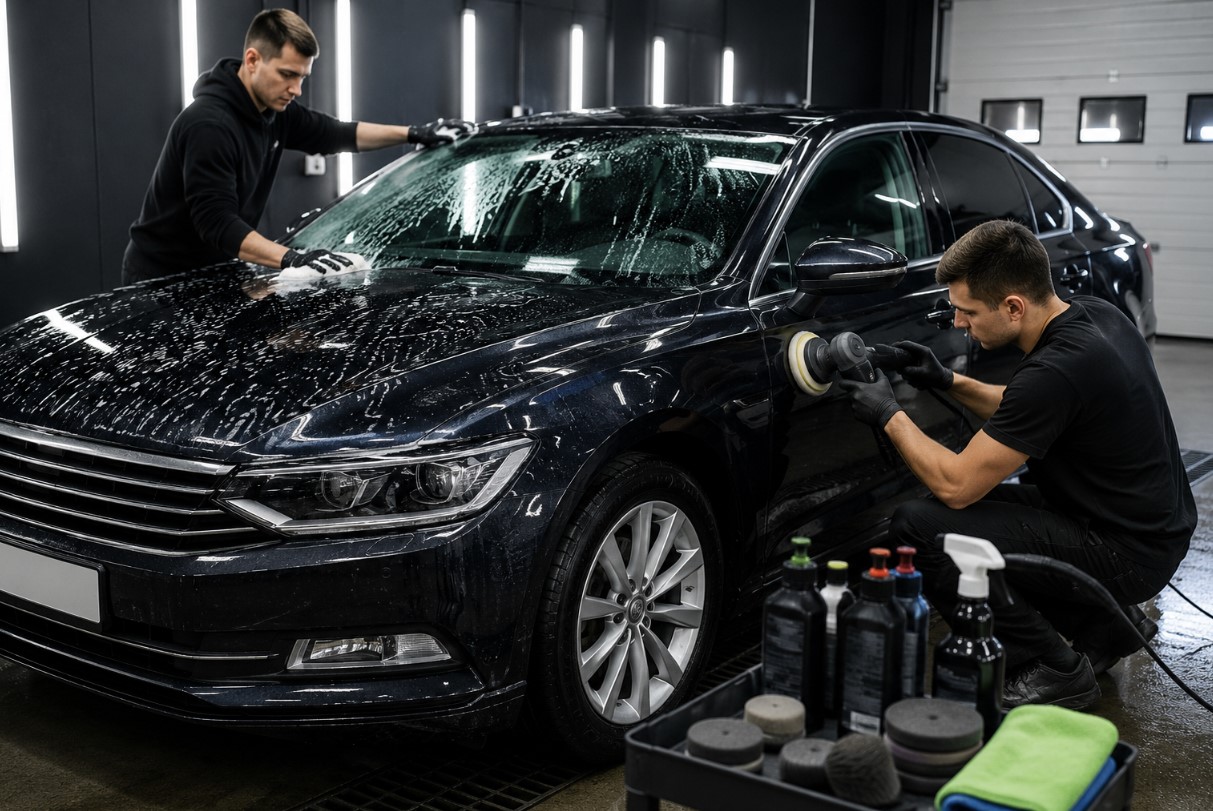
Why an independent inspection helps avoid expensive mistakes before signing the contract.
Disclaimer:
The content of this article is provided for general informational purposes only and does not replace
an individual technical inspection, legal advice, tax advice, or professional diagnosis on site.
Despite careful preparation, Sicher-Check assumes no liability for the accuracy, completeness,
or current validity of the information provided. Vehicle condition, regulations, costs, market prices
and technical risks may vary depending on the individual vehicle, seller, region and date of inspection.
You use this information at your own responsibility.