Blog / Auto · Article №74 · Published: 16.03.2026 · Germany

German Car Manufacturers and Diesel in 2026

After the Dieselgate scandal many buyers started asking the same question: is it still worth buying a diesel car in Germany in 2026, or has the market already shifted completely toward hybrid and electric vehicles?

In reality diesel engines still play an important role in the German vehicle fleet, especially in mid-size and business-class cars where efficiency, long-distance driving and fuel economy remain essential factors.
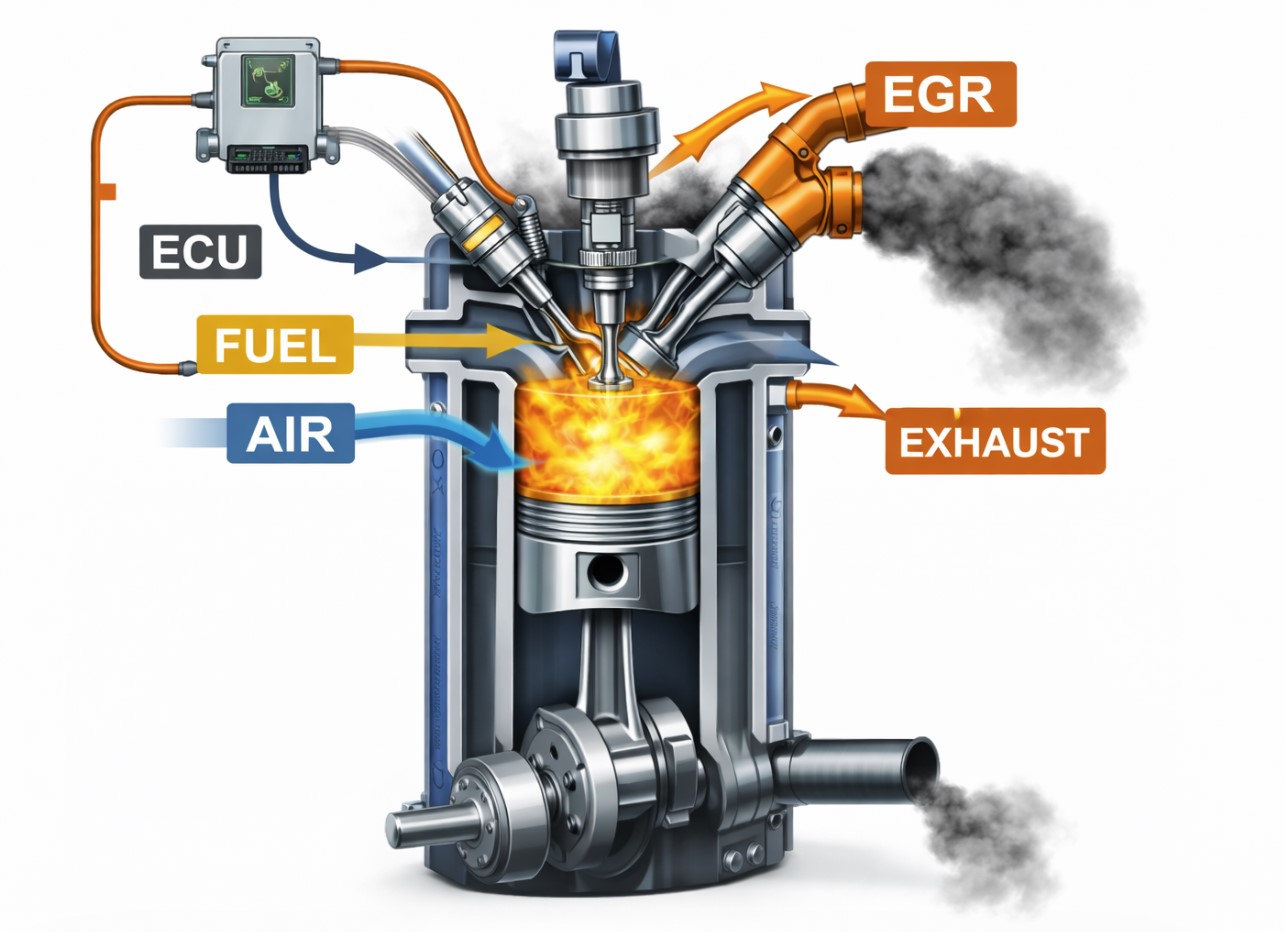
Diesel 2026 Euro 6d AdBlue / SCR DPF / EGR Diesel inspection
Key takeaway: buying a diesel car in Germany in 2026 is still reasonable, but only if the vehicle meets modern emission standards and passes a professional diagnostic inspection.
Diesel cars in Germany 2026 Euro 6d AdBlue SCR inspection before purchase
Modern diesel vehicles are no longer just engines — they are complex emission-control systems including DPF filters, SCR catalytic converters and AdBlue injection.

Table of contents

What does the law say — is diesel banned in Germany in 2026?

One of the most common myths is that diesel cars are supposedly being fully banned in Germany. In reality, there is no nationwide blanket ban on diesel passenger cars.

However, after Dieselgate and stricter environmental rules, several practical restrictions do exist:

  • 💎 Umweltzonen — environmental zones where vehicles usually need the green emissions sticker;
  • 💎 local restrictions for older diesel standards in certain cities or districts;
  • 💎 emission-standard relevance — modern cars are expected to meet Euro 6d or better;
  • 💎 TÜV control of emissions systems — faults, tampering or deleted components can become a serious problem.

Diesel restrictions in Berlin

Berlin has environmental zones, but there is no total diesel ban. In practice, the safest choice is usually a vehicle that meets the Euro 6d diesel standard, because these cars create the fewest concerns regarding future urban restrictions.

Market logic in 2026: the newer the diesel emission standard, the higher the resale liquidity and the lower the risk of unpleasant surprises in major cities.

Which diesel cars are safer to buy in 2026?

Recommended standards

  • Euro 6d-TEMP — a transitional but already modern post-Dieselgate standard;
  • Euro 6d — the safest mainstream choice in terms of future restrictions and resale value.

Advantages of Euro 6d diesel vehicles:

  • ✔️ lower risk of restrictions;
  • ✔️ stronger compliance with current environmental requirements;
  • ✔️ better resale value on the used-car market;
  • ✔️ more advanced exhaust aftertreatment systems.

Higher-risk diesel cars

  • ⚠️ Euro 5 — potentially problematic in large cities and environmental zones;
  • ⚠️ older diesels without AdBlue / SCR — higher NOx-related risk and more exposure to restrictions;
  • ⚠️ cars with removed DPF or tampered emissions systems — legally dangerous purchases.
Red flag: if the seller says, “The DPF has been removed, so there will be no more problems,” that is not a benefit. It is a strong reason to reconsider the purchase immediately.

Is there a Fahrverbot for diesel cars?

The term diesel Fahrverbot appears often in news and online discussions, but the context matters. Restrictions mainly affected older diesel vehicles, especially Euro 4 and Euro 5.

In some cities — for example Stuttgart, Hamburg, and certain districts of other urban areas — local measures were introduced at different times. By contrast, modern diesel vehicles meeting Euro 6 and especially Euro 6d are usually in a much safer position.

Practical buying principle: the newer the emissions standard, the lower the risk of urban access problems.

German car manufacturers and diesel engines

Volkswagen / Audi

Diesel engines from the Volkswagen Group remain some of the most common in Europe. Their strengths include fuel efficiency, solid torque, and well-developed AdBlue / SCR systems on newer generations.

Typical models include:

  • Volkswagen Passat
  • Volkswagen Tiguan
  • Audi A4
  • Audi A6

Typical risk areas:

  • DPF clogging;
  • EGR faults;
  • AdBlue system errors.

BMW

BMW remains one of the major names in modern diesel development. Buyers often discuss engines such as the B47 (2.0) and B57 (3.0).

Main strengths:

  • strong performance;
  • good driving dynamics;
  • excellent long-distance efficiency.

But in urban use, risks can increase around:

  • DPF;
  • SCR;
  • NOx sensors.

Mercedes-Benz

Mercedes has continued to push modern diesel engines, especially the OM654 family. These units are used in the C-Class, E-Class, GLC, GLE and other models.

Main advantages:

  • modern exhaust aftertreatment;
  • high thermal efficiency;
  • good Euro 6d compliance.

Main downside:

  • a very complex emissions and exhaust system that can be expensive to repair.

New diesel or used diesel?

New diesel

Advantages:

  • manufacturer warranty;
  • Euro 6d standard;
  • minimal hidden risk.

Disadvantages:

  • high purchase price;
  • rapid depreciation in the first years.

Used diesel

Advantages:

  • more affordable pricing;
  • wider choice of models;
  • the chance to buy a higher-class vehicle for the same money.

Risks:

  • DPF wear;
  • AdBlue-related faults;
  • EGR problems;
  • hidden engine and exhaust-system faults.
Real market practice: a used diesel can be a very good buy, but only after proper diagnostics.

How to inspect a diesel car before buying

Inspecting a diesel vehicle in 2026 is no longer just about listening to the engine. Modern diesel cars rely on complex emission-control systems, and without proper diagnostics it is easy to miss expensive problems.

During a professional pre-purchase inspection specialists usually check:

  • AdBlue system errors;
  • DPF filter condition;
  • EGR valve operation;
  • NOx sensor readings;
  • SCR system performance;
  • DPF regeneration history;
  • engine control unit data via OBD diagnostics.
Why this matters: many diesel-emissions problems are invisible during a simple visual inspection, but they become obvious during diagnostic analysis.

What to check when buying a diesel car

Component Possible risk
DPF Clogged particulate filter
EGR Valve sticking or circulation errors
AdBlue system Engine start restrictions and expensive repairs
NOx sensors Frequent and costly replacements
SCR system Reduced exhaust cleaning efficiency

When it is better to walk away from the deal

  • frequent DPF errors;
  • failed regeneration cycles;
  • DPF removed from the vehicle;
  • unregistered chip tuning;
  • repeated AdBlue / SCR / NOx errors.
Common buyer mistake: assuming that if the car drives normally, everything must be fine. Modern diesel cars can drive well even when the emissions system is already close to failure.

Typical repair costs

Component Average cost
DPF filter replacement 1,500 – 3,000 €
EGR valve 500 – 1,000 €
AdBlue system repair up to 2,000 €
NOx sensor replacement 300 – 800 €
Practical meaning of a proper inspection: one professional diagnostic check before buying can save several thousand euros during the first year of ownership.

Is it still worth buying a diesel car in 2026?

For many drivers in Germany diesel remains a logical and efficient choice. Especially if you:

  • ✔️ drive frequently on the Autobahn;
  • ✔️ travel long distances regularly;
  • ✔️ want strong torque and good fuel economy.

A diesel purchase makes sense in 2026 if:

  • the car meets the Euro 6d standard;
  • there is a confirmed service history;
  • the engine and emission systems have no hidden faults;
  • the vehicle passes a professional inspection.
Conclusion: diesel has not disappeared. But in 2026 a good diesel car is no longer just about the engine — it is about the entire system working correctly: DPF, EGR, SCR, AdBlue and electronic control units.

Planning to buy a diesel car in Germany?

Before completing the purchase it is important to ensure that the vehicle does not have hidden technical or emissions problems. Sicher-Check offers professional diesel vehicle inspections before purchase anywhere in Germany.

During the inspection we check:

  • DPF system;
  • EGR valve;
  • AdBlue system;
  • NOx sensors;
  • actual engine condition and ECU data.

Advertisement / *Affiliate link

Links and banners marked with an asterisk (*) are affiliate links or affiliate banners. If you use such a link and later request an offer, sign a contract or make a purchase, we may receive a commission from the provider. For you, there are no disadvantages: the price and conditions remain the same.

FAQ

Is diesel banned in Germany in 2026?

No. There is no nationwide ban on diesel cars. However environmental zones and local restrictions may apply to older diesel standards.

Which diesel engines are safest to buy?

The safest choice is usually vehicles that meet the Euro 6d standard, and in some cases Euro 6d-TEMP.

What should be checked before buying a diesel car?

DPF, EGR, AdBlue system, NOx sensors, SCR operation, regeneration history and ECU error codes via OBD diagnostics.

Final conclusion: diesel cars can still be a smart purchase in Germany, but only after a proper diagnostic inspection.

Disclaimer:
The information on this page is provided for general informational purposes only and does not replace an individual on-site inspection, computer diagnosis, or professional advice.
Despite careful preparation, we do not guarantee the accuracy, completeness, or timeliness of the content. By using the materials on this website, you act at your own risk.

← Back
WhatsApp